
If you are gearing up for a new college semester, you are likely staring down a mountain of expenses. Tuition and textbooks are expensive enough, but finding a place to live often represents the biggest financial hurdle. One of the most common questions on every college student’s mind is: can you use student loans for rent?
The short answer is a resounding yes. However, using financial aid to cover your monthly rent checks is not quite as simple as swiping a credit card. It requires a solid understanding of how financial aid works, strict budgeting skills, and knowledge of your university’s specific policies.
In this comprehensive guide, we will break down exactly how you can use student loans to keep a roof over your head, how the disbursement process works, and how to avoid drowning in unnecessary debt.
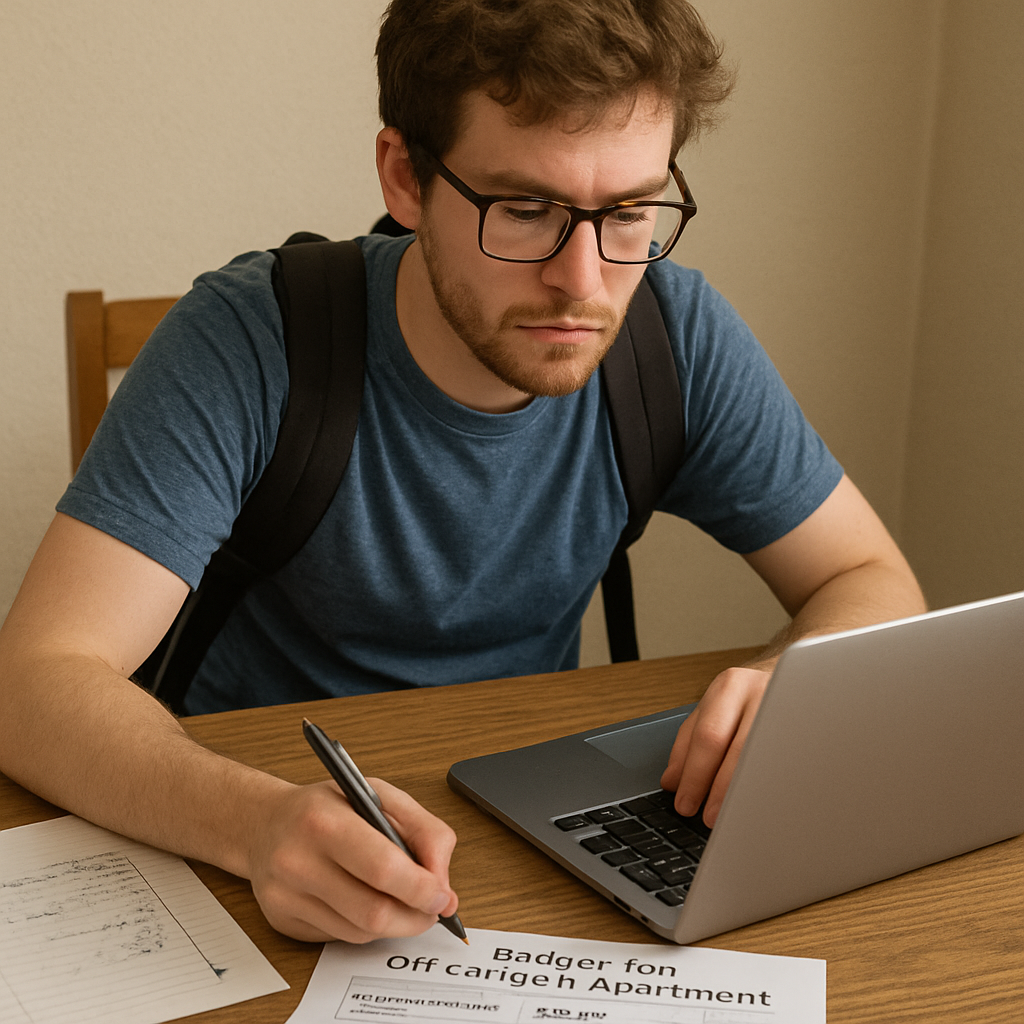
Understanding What Student Loans Actually Cover
To understand why you can use educational funds for housing, you have to look at the qualified higher education expenses definition. According to the Department of Education and the IRS, qualified expenses are costs that are required for your enrollment and attendance at an eligible educational institution.
Fortunately, this definition extends far beyond the classroom. It includes tuition, mandatory fees, books, supplies, and—crucially—room and board.
Because room and board are legally considered qualified expenses, the answer to the question, ” can you use student loans to pay for rent?” is absolutely yes. Whether you are living in a university-owned dormitory or leasing an apartment down the street, housing is considered an essential part of your education.
The Cost of Attendance (COA) Cap
Every college or university establishes a standard cost of attendance calculation each academic year. This is a vital number because you cannot borrow more than your total COA.
Your COA will typically include a specific room and board allowance for off-campus students. This figure represents what the university considers a reasonable amount of money to live in the surrounding area for the nine-month academic year. Therefore, the total amount of student loans for rent you can take out is directly capped by this university-determined allowance.
The Mechanics: How Financial Aid Reaches Your Landlord
One of the most confusing aspects of paying for off-campus apartments with financial aid is the timeline. When you secure a lease, your landlord will want a security deposit and monthly rent. But your student loans don’t pay out monthly.
Here is how the federal direct loan disbursement process generally unfolds:
- Funds go to the school first: At the beginning of the semester, your lender (the federal government or a private bank) sends your loan funds directly to your university’s bursar or financial aid office.
- The school takes its cut: The university will automatically deduct any direct costs you owe them. This includes tuition, mandatory facility fees, and any on-campus meal plans you have selected.
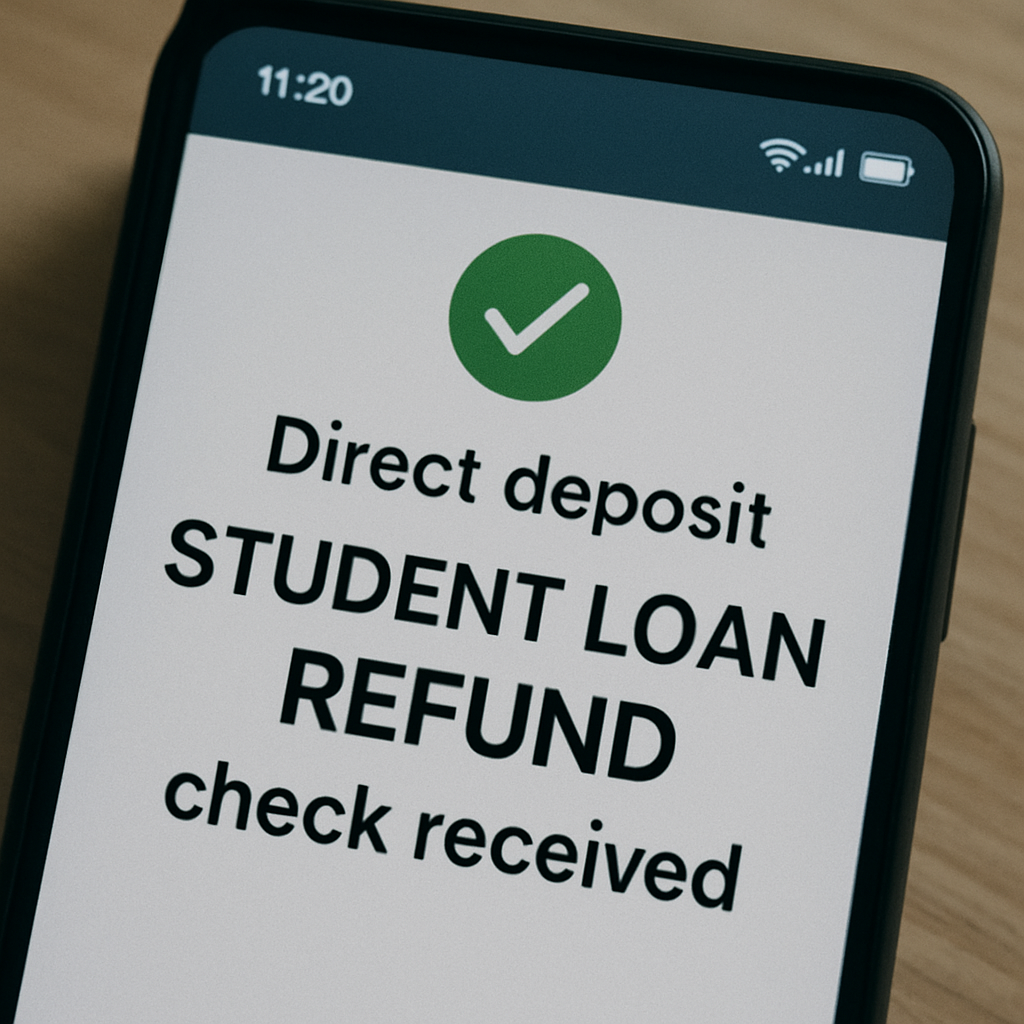
- The refund is issued: If your total loan amount exceeds your direct school charges, the school will issue you a student loan refund check for living expenses.
This refund is usually deposited directly into your personal checking account a week or two after classes start. It is this lump sum of cash that you will use to pay your rent, utilities, and grocery bills for the rest of the semester.
Federal vs. Private Loans for Living Expenses
When considering how to fund your housing, the type of loan you take out matters significantly. Let’s look at the differences between federal and private borrowing options.
Utilizing Federal Student Loans
Can you use federal student loans for rent? Yes. When you fill out the Free Application for Federal Student Aid (FAFSA), you are applying for federal funds that can be applied to housing. Using FAFSA funds for housing is generally the safest and most cost-effective route for students.
When reviewing your federal aid package, it is important to understand the difference between subsidized vs unsubsidized loans for living costs:
- Direct Subsidized Loans: The government pays the interest on these loans while you are in school at least half-time. If you use subsidized funds for rent, your housing costs won’t grow while you are studying.
- Direct Unsubsidized Loans: Interest begins accruing the moment the loan is disbursed. If you use an unsubsidized loan for your apartment, you will end up paying interest on that rent money long after you graduate.
Private Loans and Specialized Borrowing
If federal aid, scholarships, and grants are not enough to cover your rent, you might turn to the private sector. You may see financial institutions advertising student housing loans or general loans for rent, but these are essentially just standard private student loans marketed specifically toward your living costs.
Be aware that there are private student loan living expense limits. Just like federal loans, private lenders must communicate with your school to certify your loan. They will not lend you more than your school’s official Cost of Attendance allows.
How Much Rent Can You Actually Afford?
So, exactly how much student loan money can go toward rent?
As a general rule, you can allocate whatever is left of your refund check after your school bills are paid. However, it is vital to remember that rent is not your only living expense.
When students ask, “are living expenses covered by student loans?” they often forget that “living expenses” include much more than just a lease. You must also account for:
- Electricity, water, and gas
- Internet and cell phone bills
- Groceries and household supplies
- Transportation (gas or public transit passes)
If you have unique circumstances—for example, you require special housing accommodations due to a medical condition or disability—you can try reporting living expenses to financial aid office administrators. In some rare cases, schools can do a “Professional Judgment” review to slightly increase your COA, allowing you to borrow more. However, this is not guaranteed, and standard living preferences will not qualify for a COA increase.
On-Campus vs. Off-Campus: Which is Better for Your Budget?
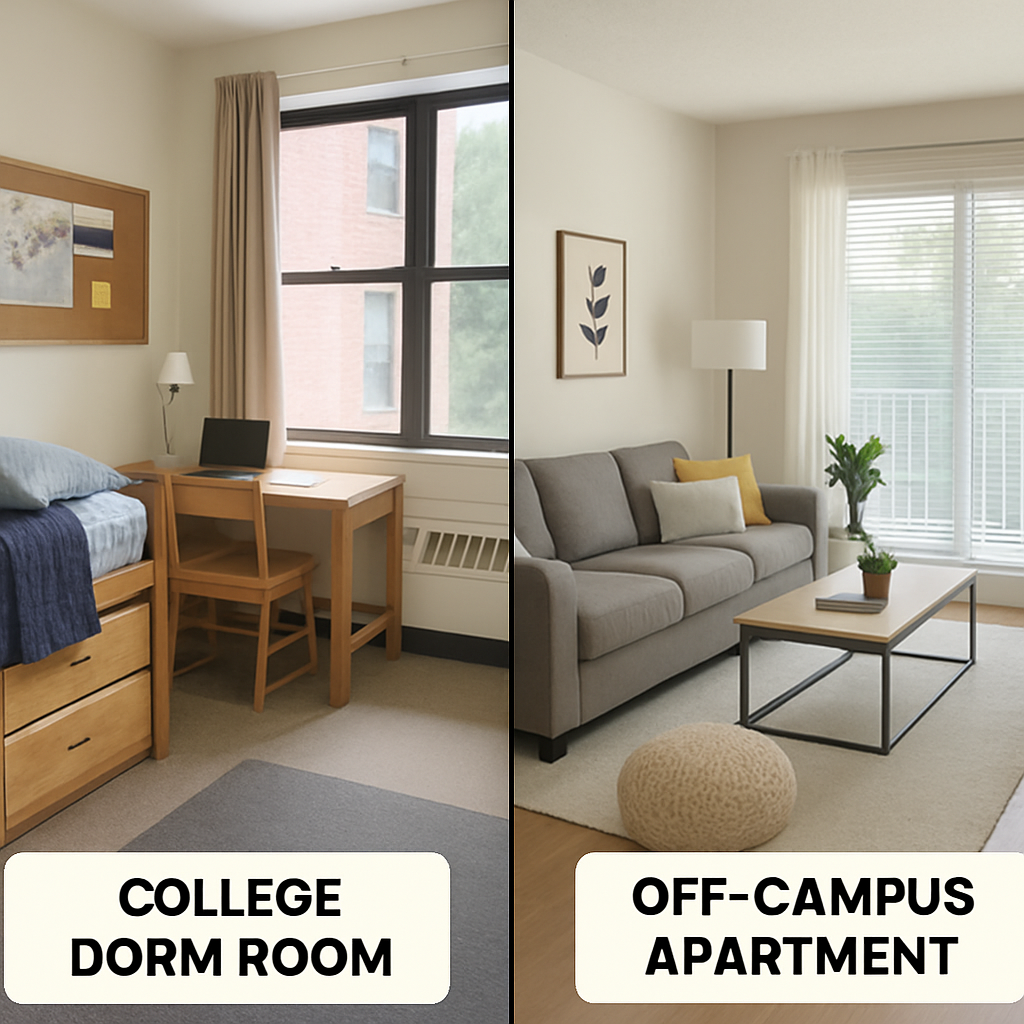
When weighing on-campus housing vs off-campus costs, it is easy to assume that off-campus is always cheaper. While monthly rent in an apartment might look lower than a semester’s dorm fee, the hidden costs of off-campus living can add up fast.
On-Campus Pros:
- Utilities and internet are usually included.
- Furniture is provided.
- You do not have to worry about a monthly payment; the school takes it straight from your financial aid before you even see it.
Off-Campus Pros:
- More privacy and space.
- Ability to cook your own meals (avoiding expensive mandatory meal plans).
- Potential to split rent with multiple roommates to drastically lower costs.
Budgeting and Managing Your Refund
If you decide to use your refund for an apartment, you are taking on the role of a property manager for your own life. Getting a $5,000 refund check in September feels like hitting the lottery, but that money has to last until January.
Here are a few actionable tips for budgeting student loans for monthly utilities and rent:
- Calculate your “Monthly Salary”: Divide your total refund by the number of months in the semester (usually four or five). This gives you your strict monthly budget.
- Separate Your Funds: Do not keep your rent money in the same checking account you use for weekend pizza runs. Move your refund into a high-yield savings account and transfer only what you need to your checking account on the first of the month.
- Pay Ahead if Possible: Some landlords will allow you to pay the entire semester’s rent upfront. This eliminates the temptation to spend your rent money on non-essentials.
Alternatives: What If Your Loan Isn’t Enough?
If your COA cap is too low, or you simply want to minimize your borrowing, you might find yourself short on rent money.
If this happens, be incredibly wary of predatory rent assistance loans (like payday loans or high-interest personal loans). These are not student loans; they carry exorbitant interest rates that can trap you in a vicious debt cycle.
Instead, consider these alternatives:
- Get a part-time job: Working just 15 hours a week can often cover a large portion of your grocery and utility bills, allowing your loan money to strictly cover the rent.
- Find more roommates: Converting a living room into a bedroom or sharing a room can cut your rent in half.
- Look into university emergency funds: Many colleges offer one-time emergency grants for students facing imminent housing insecurity.
The Bottom Line: Be Smart With Your Borrowing
So, can you use student loans for rent? Yes, it is a perfectly legal and common practice. However, managing student loan debt for housing requires incredible discipline.
Every dollar you borrow for rent today is a dollar (plus interest) you will have to pay back from your future paychecks. While it is comforting to know that educational loans can keep a roof over your head, you should always aim to live as frugally as possible during your college years.
By understanding the cost of attendance, choosing the right types of loans, and strictly budgeting your semester refund check, you can successfully manage your off-campus living situation without mortgaging your financial future.