
Choosing to live at home during college is one of the most effective ways to save money while pursuing your degree. By skipping the traditional dorm experience, you immediately bypass thousands of dollars in room and board fees. However, residing with your parents does not mean your college experience is entirely free. You still have to pay for gas, car maintenance, groceries, a portion of the utility bills, and basic personal needs.
This financial reality leads many students to a common question: can you take out student loans living expenses?
The short answer is yes. Utilizing a college loan for living expenses at home is entirely legal and highly common. However, borrowing extra money just to cover everyday costs requires a strategic approach. In this comprehensive guide, we will break down the rules, limits, and best practices for managing your financial aid while commuting.
What Do Student Loans Cover?
To navigate the financial aid system successfully, you must first understand exactly what do student loans cover. When you accept federal or private student loans, the funds are first sent directly to your university to cover “direct costs.” These include tuition, institutional fees, and sometimes mandatory health insurance.
Once your direct costs are paid in full, any remaining funds are sent to you as a refund. This refund is meant to cover “indirect costs.”
So, do student loans cover living expenses? Absolutely. When asking what can student loans be used for, the government legally permits you to use your refunded loan money on:
- Housing (rent, utilities, or contributing to household bills)
- Food and groceries
- Transportation (gas, basic car maintenance, public transit passes)
- Books, a laptop, and necessary academic supplies
- Modest personal expenses (hygiene products, laundry)
Navigating Federal Student Loan Cost of Attendance Rules
Every college calculates a Cost of Attendance (COA), which serves as a cap on how much financial aid you can receive in a single academic year. According to federal student loan cost of attendance rules, your total financial aid package—including scholarships, grants, and loans—cannot exceed your designated COA.
When you live at home, your school assigns you a specific commuter student financial aid budget. Because you aren’t paying the university for a dorm room or an on-campus meal plan, your COA will be notably lower than that of a residential student.
However, schools acknowledge that living at home isn’t free. Even if you are a dependent living with your family, there is a financial aid allowance for room and board off campus factored into your COA. This allowance ensures that commuter students still have access to funds needed to survive the academic year.
The Limits of Commuter Borrowing
Because your overall COA is lower, the maximum student loan amount for commuter students is inherently capped. For example, if your university’s tuition is $10,000 and your commuter living allowance is $4,000, your total COA is $14,000. You cannot borrow $20,000 just because you want extra spending money.
If you find that your university’s commuter budget is completely unrealistic for your area, you are not entirely out of luck. You can speak to your financial aid office about requesting a student loan increase for cost of living. This process, known as a Professional Judgment review, allows administrators to adjust your COA if you can provide documentation of unusually high transportation or housing costs.

How to Secure a College Loan for Living Expenses at Home
If you have decided that you need financial assistance for your daily commute and meals, applying for student loan funds for commuting expenses follows the exact same process as applying for tuition assistance.
- Fill out the FAFSA: The Free Application for Federal Student Aid is your first step.
- Review your Award Letter: Look at your offered Subsidized and Unsubsidized federal loans.
- Accept the Right Amount: Calculate exactly what you need for tuition, plus a strict budget for your at-home living costs. Accept only what is necessary.
- Set up Direct Deposit: Ensure your university’s bursar office has your bank account information so your refund check clears quickly.
Can I Use FAFSA Money for Groceries While Living at Home?
A incredibly common question among commuter students is: can i use fafsa money for groceries while living at home?
Yes, you can. Food is a fundamental human need and a recognized educational expense. Financial aid offices assess your dependent student cost of living stipend eligibility by factoring in a reasonable allowance for meals. Whether you are buying groceries to cook in your parents’ kitchen or picking up lunch between classes, using your refunded loan money for food is an approved use of funds.
Transitioning: Student Loans for Off Campus Housing
While this guide focuses heavily on a college loan for living expenses at home, it is worth noting how the rules apply if you eventually move out. If you decide to rent an apartment with roommates, you will shift from a “commuter with parents” budget to an “off-campus” budget.
Using student loans for off campus housing is completely standard. Your COA will increase to reflect average local rent prices, allowing you to borrow more. Whether you are living in your childhood bedroom or an apartment near campus, utilizing student loans for living expenses remains structurally the same—the funds go to your school first, and you manage the refund.

Managing Your Money: Smart Borrowing vs. Working
Is it smart to take student loans while living with parents? The answer depends entirely on your financial discipline and your major.
For students in rigorous programs like nursing or engineering, working long hours might jeopardize their GPA. In these cases, borrowing a modest amount to cover gas and food is a smart investment in their academic success. However, for students with lighter course loads, taking on debt for daily expenses is risky.
Weighing Employment Against Debt
When planning your year, carefully weigh part-time work vs student loans for daily expenses. Earning just $150 a week at a part-time job can cover your gas, modest groceries, and weekend entertainment, completely eliminating the need to borrow extra money for your refund.
If you do choose to borrow, managing student loan disbursements for personal expenses requires extreme self-control. Most schools disburse refund checks once per semester. If you receive a $2,000 refund in September, that money must last until December.
Tips for managing your disbursement:
- Move the refund into a separate savings account.
- “Pay” yourself a bi-weekly allowance.
- Track your spending meticulously to avoid running out of funds by midterms.
Private Student Loans vs Federal for Non-Tuition Costs
If federal loans do not cover your full living expense budget, you might be tempted to look into private lenders. When comparing private student loans vs federal for non-tuition costs, federal loans should always be your first choice. Federal loans offer lower, fixed interest rates, income-driven repayment plans, and potential forgiveness options.
Private loans usually require a co-signer, often have variable interest rates, and offer very few borrower protections. Only use private student loans as an absolute last resort for living expenses.
The Hidden Costs: Interest, Taxes, and Your Future
Before signing a master promissory note for a larger loan amount, it is vital to look at the long-term math. By calculating real cost of commuting versus campus housing, you ensure you are actually saving money by living at home. (For example, if you commute 60 miles a day in an unreliable car, your gas and repair costs might eventually rival the cost of a cheap dorm room).
Furthermore, you must beware of capitalized interest on loans for non-educational costs. If you take out an unsubsidized federal loan to buy gas and fast food, that loan accrues interest every single day you are in school. By the time you graduate, the interest capitalizes (is added to the principal balance), meaning you are now paying interest on your interest. That $10 fast-food meal bought with loan money could end up costing you $20 by the time the loan is paid off.
A Note on Taxes
Come tax season, many graduates wonder about the tax deductibility of student loans used for living costs. The IRS allows you to deduct up to $2,500 of student loan interest paid during the year, provided you meet specific income requirements. Because the government considers housing, food, and commuting to be qualified higher education expenses, the interest paid on loans used for these at-home living costs is generally tax-deductible. You will receive a 1098-E tax form from your loan servicer detailing the exact amount of interest you paid.
Final Thoughts: Keep Your Borrowing to a Minimum
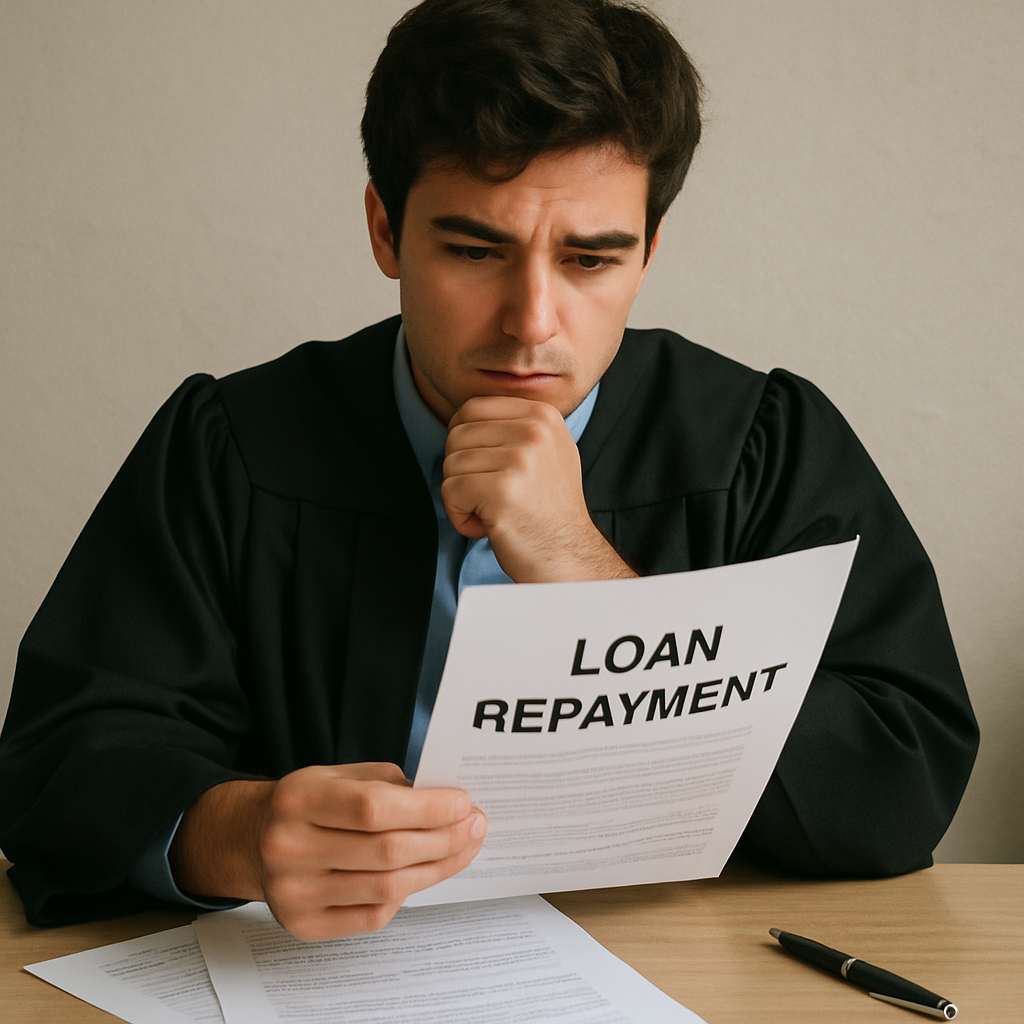
When asking yourself, should I use a college loan for living expenses at home?, remember that student loans are a financial tool, not free money. It is incredibly beneficial that the federal government allows students to use financial aid for groceries, commuting, and contributing to household expenses. This flexibility ensures that commuter students are not left behind.
However, just because you have room in your commuter budget to borrow more money doesn’t mean you should. Protect your future self by maintaining a strict budget, exploring part-time work, and only accepting the exact amount of student loan funds you need to survive the semester. With careful planning, you can successfully navigate living at home, keeping your debt low while fully funding your college journey.