
Buying a new or used vehicle is an exciting milestone, but the thrill of a test drive can quickly fade once you are sitting in the dealership’s finance office. Amidst the flurry of paperwork, you will undoubtedly encounter a variety of financial terms and acronyms. The most important one? APR.
If you are currently asking yourself, “what is apr on a car, and why does it matter so much?” you are certainly not alone. Understanding your car loan apr is the ultimate key to unlocking thousands of dollars in savings. It is the single most important number on your contract, dictating exactly how much your vehicle will actually cost you by the time you own it free and clear.
In this comprehensive guide, we will break down the complexities of auto financing. From decoding financial jargon to actionable tips for securing the best rates, here is everything you need to know about navigating the world of car loans.
The Basics: APR Definition and Meaning
To start, let’s establish a clear apr definition. APR stands for Annual Percentage Rate. In the simplest terms, the apr meaning is the total yearly cost you pay to borrow money, expressed as a percentage of the loan amount.
When you take out a loan to buy a vehicle, the lender isn’t giving you that money for free. They charge you for the privilege of borrowing their funds. Your APR represents that cost, but it is actually more comprehensive than just a standard interest rate.
APR vs. Interest: What’s the Catch?
A common point of confusion for buyers is the debate of apr vs interest. Many people use these terms interchangeably, but doing so can be a costly mistake.
To understand the difference between interest rate and apr car loan, think of the interest rate as the base cost of borrowing the principal amount. The APR, however, is a broader measure. It includes the base interest rate plus any additional fees charged by the lender or dealership to set up the loan. These might include origination fees, document preparation fees, or processing charges.
Because the APR accounts for these extra, hidden costs, it will almost always be slightly higher than the nominal interest rate. When comparing auto loan rates from different lenders, you should always look at the APR, as it reflects the true, bottom-line cost of borrowing.
The Math Behind the Curtain: APR Calculation
Understanding the basic apr calculation is crucial for calculating total cost of a car loan.
Let’s look at a practical example. Imagine you are financing $25,000 for a vehicle over 60 months.
- If your APR is 4%, your monthly payment will be roughly $460, and you will pay about $2,625 in total interest.
- If your APR jumps to 9%, your monthly payment becomes $519, and your total interest skyrockets to over $6,100.
A mere 5% difference in your APR costs you nearly $3,500 more for the exact same vehicle! This perfectly illustrates the total finance charges on vehicle purchase—the absolute amount of money you are paying above the sticker price just for the luxury of paying over time.
Fortunately, you don’t have to be a mathematician to find these numbers. Under the Truth in Lending Act disclosure requirements, all auto lenders are legally mandated to clearly present the APR, the total finance charges, the amount financed, and the total of payments before you sign the contract. Always review this specific disclosure box on your contract to ensure there are no surprises.
The Core Factors That Determine Car Loan APR
You might wonder why your neighbor secured a 3% rate while you were quoted 8%. Auto lenders don’t pull these numbers out of thin air; they assess risk. Here are the primary factors that determine car loan apr:
1. Your Credit Score
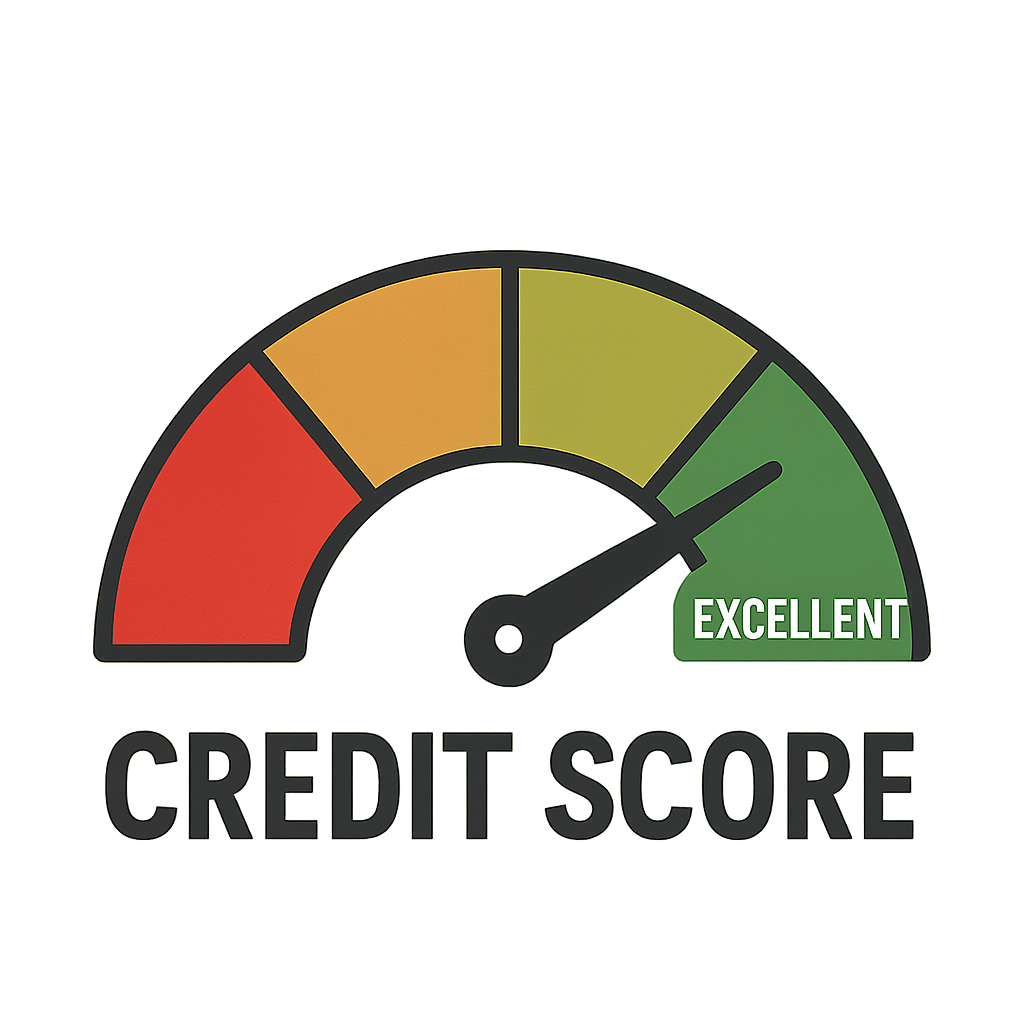
If you want to know how credit score affects auto financing, the answer is: significantly. Lenders view your credit score as a grade of your financial reliability. The higher your score, the lower the risk you pose, which translates directly to lower rates.
To give you an idea of what to expect, here is a general look at the average car loan rates by credit tier (note that these fluctuate with economic market conditions):
- Super Prime (781-850): Buyers in this tier secure the lowest rates, often between 3% and 5%.
- Prime (661-780): Rates typically range from 5% to 7%.
- Non-Prime (601-660): Rates jump higher, generally averaging between 8% and 11%.
- Subprime (501-600): These buyers face steep rates, often between 12% and 17%.
- Deep Subprime (300-500): Rates can easily exceed 20%, significantly increasing the total cost of the car.
2. Vehicle Age: New vs. Used
New cars almost universally come with lower APRs than used cars. This is because new cars have a higher, more predictable resale value. If you default on the loan and the lender has to repossess the car, they can easily recoup their money on a new vehicle.
This leads many buyers to ask, what is a good apr for a used car? Generally, a “good” used car APR will be about 2% to 4% higher than the top-tier new car rates. If average new car rates are 5%, finding a used car loan at 7% or 8% is considered quite competitive.
3. Rate Structure
You also have to consider fixed vs variable interest rate auto loans.
- Fixed-Rate Loans: The APR remains the exact same for the entire life of the loan. Your monthly payment never changes. (The vast majority of auto loans are fixed).
- Variable-Rate Loans: The APR fluctuates based on an underlying benchmark index. While they might start lower, they are riskier because your monthly payment can go up if market rates rise.
Dealerships vs. Banks: Where to Get the Best Rate
When it comes time to finance, you generally have two main avenues: going through the dealership or securing independent financing. Understanding the nuances of dealer financing vs bank car loans is a game-changer for your wallet.
Bank and Credit Union Loans: When you apply directly with a bank or credit union, you are dealing directly with the lender. If approved, you can walk into a dealership as a “cash buyer.”
There are massive benefits of pre-approved auto financing. It gives you a firm budget, prevents the dealer from playing shell games with your monthly payment, and provides a powerful baseline APR to use as leverage.
Dealer Financing: Dealerships partner with networks of third-party lenders. When you apply through a dealer, they send your profile to these lenders, who respond with a “buy rate” (the lowest rate you qualify for). However, the dealer is legally allowed to mark up this interest rate—sometimes by 1% to 2%—as compensation for acting as the middleman. This markup goes straight into the dealership’s profit.
The Hidden Trap: Loan Terms and Total Interest
A common dealership tactic is to ask a buyer, “What monthly payment are you looking for?”
If you focus solely on the monthly payment rather than the APR, you fall into a very expensive trap. To get your monthly payment down, the finance manager will simply stretch the length of the loan from 48 months to 72 or even 84 months.
This highlights the massive impact of loan term on total interest paid. The longer you take to pay off the loan, the more time interest has to accrue. Even with a decent APR, an 84-month loan will result in you paying thousands of dollars more in interest compared to a 48-month loan. Furthermore, long loan terms drastically increase your chances of being “underwater” (owing more on the loan than the car is worth) as the vehicle depreciates.

Actionable Tips: How to Lower Car Loan Interest Rate
Now that you fully grasp the mechanics of auto financing, how do you ensure you get the best deal possible? Here are proven strategies on how to lower car loan interest rate:
- Improve Your Credit First: If your car purchase isn’t an emergency, take 3 to 6 months to polish your credit score. Pay down credit card balances and ensure all bills are paid on time. Even a 20-point bump can push you into a better credit tier.
- Negotiate the Dealer’s Rate: Many buyers don’t realize that negotiating interest rates at car dealerships is entirely possible. If you walk in with a pre-approval from your bank at 6%, tell the dealer they can have your financing business if they can beat that rate. Often, they will miraculously “find” a lender offering 5.5% by dropping their markup.
- Put More Money Down: A larger down payment reduces your loan-to-value (LTV) ratio. Borrowing less money against the total value of the car reduces the lender’s risk, which can sometimes secure you a lower APR.
- Refinance Down the Road: What if you already signed a bad contract? Look into refinancing high interest car loans. If you accepted an 18% APR because of bad credit, but you have made on-time payments for a year and improved your score, you can apply with a new lender to pay off the old loan and secure a new one at a much lower rate.
The Bottom Line
Understanding “what is apr on a car” is your first step toward financial empowerment at the dealership. Your APR is more than just a passing number—it is the ultimate metric that dictates the true cost of your vehicle.
By familiarizing yourself with how APR is calculated, securing pre-approvals, and understanding how your credit score impacts your offers, you can confidently navigate the finance office. Don’t let confusing terminology cost you your hard-earned money. Negotiate wisely, keep your loan terms as short as you can comfortably afford, and drive away knowing you secured the best possible deal.