
Investing can seem daunting for beginners. The world of finance is filled with jargon and complex concepts. But understanding where to invest money is crucial for financial growth.
This guide will simplify investment options for you. We’ll explore various types of investments and strategies. You’ll learn how to make informed decisions about where to invest your money.
Whether you’re looking for high returns or low-risk options, we’ve got you covered. Investing wisely can help you achieve your financial goals. Let’s dive into the best investments for beginners today.
Why Invest? The Power of Growing Your Money
Investing is a powerful tool for building wealth over time. By putting your money into different assets, you allow it to work for you. This can lead to significant financial growth and security.
The beauty of investing lies in compounding. With compound interest, you earn returns on both your initial investment and the accumulated interest. This means your money can grow exponentially over time.
Beyond building wealth, investing helps you achieve specific financial goals. Whether it’s saving for retirement, buying a home, or funding education, the right investments can make it possible.
Benefits of Investing:
- Wealth accumulation
- Achieving financial goals
- Building financial security
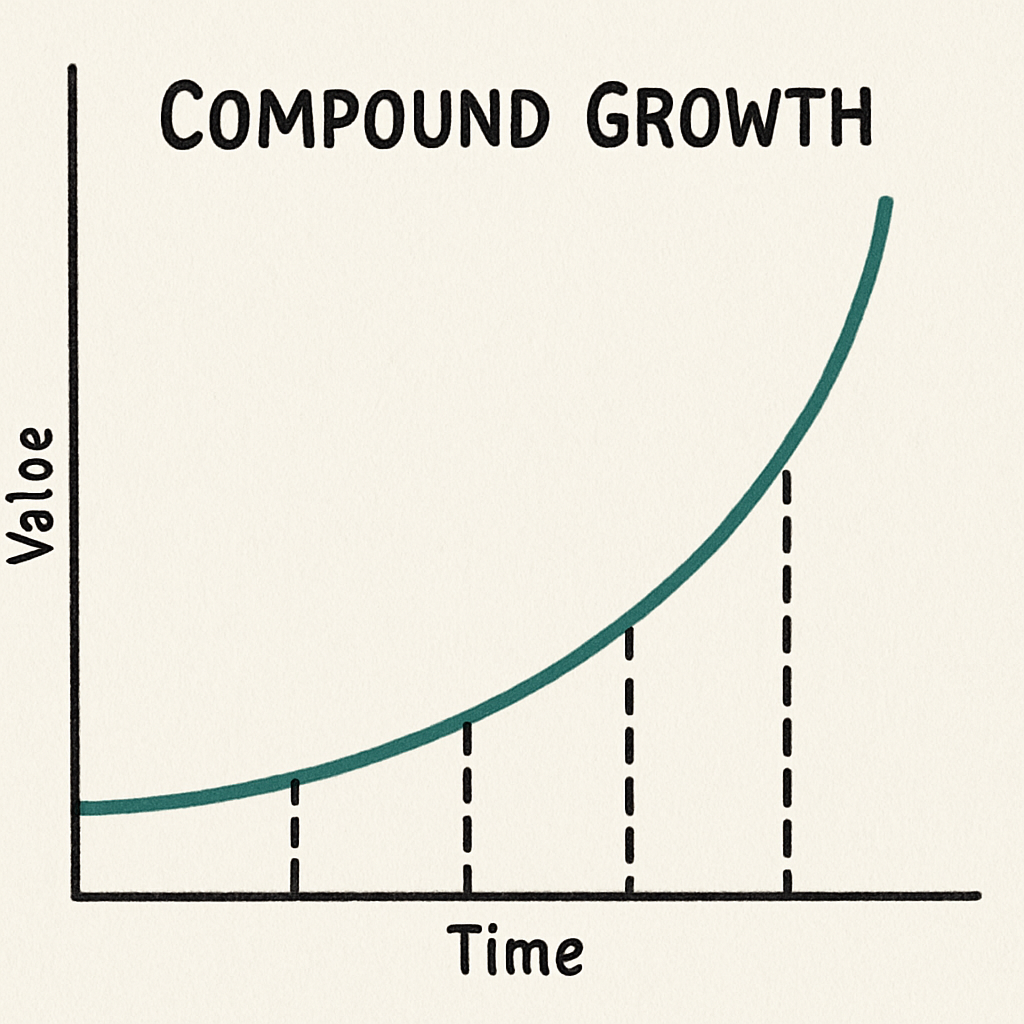
Investing today sets the stage for a prosperous tomorrow. Understanding its potential is the first step toward financial success.
Setting Your Financial Foundation Before Investing
Before you start investing, it’s crucial to establish a solid financial foundation. This ensures that you’re in the right position to take calculated risks. Begin by assessing your current financial situation.
Start by building an emergency fund. This fund acts as a financial cushion, covering unexpected expenses like medical emergencies or car repairs. A good rule of thumb is to save three to six months’ worth of living expenses.
Paying off high-interest debt is also essential. With high-interest debt, the costs can outweigh investment gains. By eliminating or reducing such debt, you free up more money for investing.
Key steps to consider:
- Build an emergency fund
- Manage and reduce high-interest debt
- Set clear financial goals
By laying this foundation, you’ll be ready to make informed investment decisions without undue financial stress.
Understanding Risk Tolerance and Investment Goals
Before diving into investments, it’s essential to understand your risk tolerance. Risk tolerance is your ability and willingness to endure investment volatility and potential losses. Knowing this will help tailor your investment choices.
Set clear investment goals based on your financial objectives. These goals could be short-term, like saving for a vacation, or long-term, such as retirement planning. The clearer your goals, the better your investment strategy.
Consider these factors when determining risk and goals:
- Time horizon for your investment
- Financial goals and priorities
- Comfort level with market fluctuations
By understanding your risk tolerance and setting specific goals, you can make more confident and aligned investment choices. This forms a crucial part of your investment strategy.
Types of Investments: Where Can I Invest My Money?
Investors today have a vast array of options to grow their money. Each investment type comes with its unique risk and reward profile. Understanding these can help you make informed choices.
Common investment options include:
- Stocks
- Bonds
- Mutual Funds and ETFs
- Real Estate
- High-Yield Savings Accounts and CDs
- Retirement Accounts
- Alternative Investments
Exploring these categories can help you decide where to invest wisely. With knowledge, you can build a diversified and balanced portfolio.
Stocks
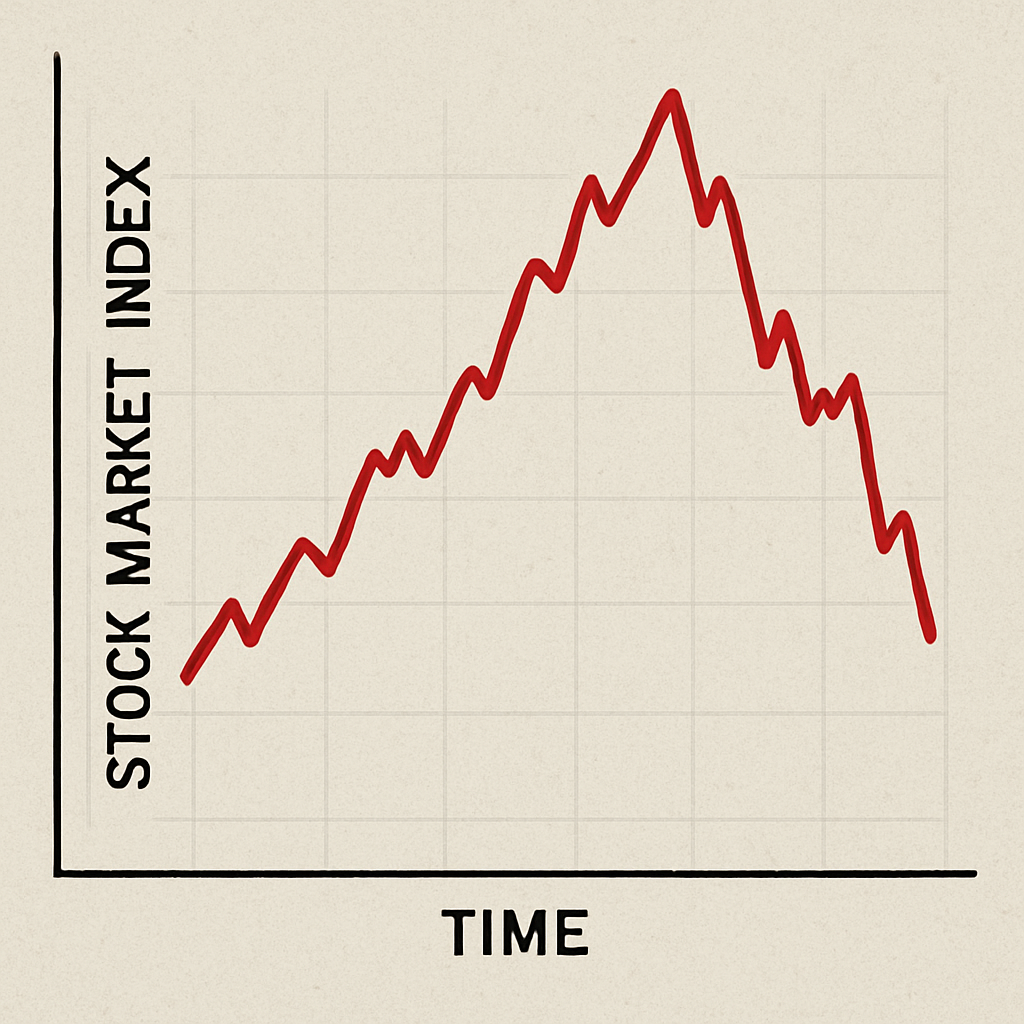
Stocks represent ownership in a company and offer potential for high returns. However, they can be volatile and come with higher risk. Investing in stocks requires a thorough understanding of market trends and company performance.
Key benefits of investing in stocks include:
- Potential for significant returns
- Opportunity for growth and innovation
- Access to dividends
Bonds
Bonds are considered safer than stocks, providing steady interest income. They are essentially loans to governments or corporations. Bonds are suitable for risk-averse investors seeking stable returns.
Advantages of bonds:
- Regular interest payments
- Lower risk compared to stocks
- Diversification benefits
They are a good choice for conservative investment strategies.
Mutual Funds and ETFs
Mutual funds pool money from multiple investors to buy a diversified portfolio. ETFs, like mutual funds, trade on stock exchanges. They provide exposure to various asset classes, offering diversification.
Consider these points when investing:
- Professional management
- Diversified exposure
- Flexibility of ETFs trading
Real Estate
Real estate investing involves purchasing property for income or appreciation. This can include buying homes, commercial properties, or land. It often requires a significant initial investment but can provide stable returns.
Reasons to invest in real estate:
- Potential rental income
- Asset appreciation
- Tangible asset ownership
High-Yield Savings Accounts and CDs
High-yield savings accounts offer higher interest rates than regular savings. Certificates of Deposit (CDs) provide fixed returns over a specific period. Both are low-risk and provide safe returns on your investment.
Benefits include:
- Low risk
- Fixed interest earnings
- Safe storage for emergency funds
These options are ideal for conservative savers.
Retirement Accounts (401(k), IRA)
Retirement accounts like 401(k)s and IRAs offer tax advantages. They are vital for long-term savings, allowing your investments to compound over time. These accounts come with contribution limits and rules.
Key features of retirement accounts:
- Tax benefits
- Long-term growth potential
- Encouraged savings for retirement
They are essential for securing your financial future.
Alternative Investments (Crypto, Gold, REITs, P2P Lending)
Alternative investments provide diversification beyond traditional assets. Cryptocurrencies are high-risk but offer potential high rewards. Gold and REITs offer stability against market volatility. Peer-to-peer lending connects investors with borrowers directly.
Consider these options:
- High potential returns (cryptos)
- Stability with gold and REITs
- Direct lending with P2P platforms
by Morgan Housel (https://unsplash.com/@morganhousel)
Key Investment Strategies for Beginners
Starting with sound investment strategies can make a big difference. Knowing the basic approaches helps in managing risk and boosting returns. Beginners should focus on strategies that fit their goals and risk appetite.
One popular strategy is dollar-cost averaging. This involves investing a fixed amount regularly, reducing the impact of market volatility. It allows you to buy more shares when prices are low and fewer when prices rise.
Crucial strategies to consider:
- Dollar-cost averaging
- Setting clear financial goals
- Regularly reviewing and adjusting your portfolio
Another important approach is to stay informed about market trends and economic indicators. Being knowledgeable helps in making timely decisions. By adhering to these strategies, beginners can pave a successful investment path.
Diversification: Reducing Risk the Smart Way
Diversification is a key element in minimizing investment risk. It involves spreading your investments across different asset classes. This reduces the impact of a poor-performing investment on your portfolio.
Consider investing in a mix of stocks, bonds, and other assets. This strategy helps balance potential gains and losses. It safeguards against market volatility by not relying on a single investment type.
Key points of diversification include:
- Reducing risk through varied asset allocation
- Balancing potential returns with risk
- Protecting against market volatility
by Jakub Żerdzicki (https://unsplash.com/@jakubzerdzicki)
How to Start Investing: Step-by-Step Guide
Starting your investment journey can seem daunting. However, breaking it down into simple steps makes it manageable. Begin by setting clear financial goals to guide your investment choices.
Next, determine your risk tolerance. This is vital in choosing the right investment options for you. Consider factors like age, income, and future needs.
Here’s a step-by-step approach:
- Set financial goals
- Assess risk tolerance
- Choose suitable investment accounts
- Select diversified assets
- Regularly review your portfolio
Remember, starting early is key to maximizing your returns over time. Consistency is critical, so commit to regular contributions.
by Markus Winkler (https://unsplash.com/@markuswinkler)
Common Mistakes to Avoid as a New Investor
New investors often rush into decisions without proper research. This can lead to costly errors. It’s important to take time to understand your investments.
Another common pitfall is attempting to time the market. This strategy is risky and can lead to losses. Instead, focus on long-term investments.
Here are mistakes to watch out for:
- Investing without a plan
- Ignoring fees and costs
- Overreacting to market changes
Keep these in mind to avoid setbacks in your investment journey.
Frequently Asked Questions About Where to Invest
Many beginners wonder where they should invest first. It’s vital to evaluate your risk tolerance and financial goals. These factors play a crucial role in guiding your investment decisions.
Investors often ask about the best time to start investing. The answer is simple: start as soon as possible. The earlier you begin, the more you can benefit from the power of compounding.
Here’s a quick FAQ list to help you further:
- Is it safe to invest in stocks?
- How much money do I need to start?
- Should I hire a financial advisor?
Addressing these questions can help build confidence as you embark on your investment journey.
Conclusion: Building Wealth for Your Future
Investing can seem overwhelming, but it’s a rewarding path to financial security. By understanding different investment options and strategies, you lay a solid foundation for your financial future.
Always keep your goals in mind and tailor your investments to fit them. Stay informed, remain patient, and continually adapt as you grow more knowledgeable. This approach will help you build wealth and secure your financial future.