
You likely grew up learning that to make more money, you simply have to work more hours. According to traditional financial advice, trading your time for a standard paycheck is the only reliable path to long-term security.
True passive income requires looking past viral social media videos that promise free cash overnight. Rather than a get-rich-quick scheme, this strategy is a financial system where you do ninety percent of the work upfront so you can collect rewards later.
Industry data reveals that successful earners eventually shift from being everyday consumers to becoming long-term asset owners. They generate asset-based income through either sweat equity—investing personal effort to create something once, like a digital guide—or capital equity, using savings to buy investments that regularly pay you back.
Comparing residual income vs active income makes one thing incredibly clear: building these automated systems provides real relief from the exhausting 9-to-5 cycle. Building automated passive income takes initial dedication, but these ten practical ideas offer an excellent starting point.
Choosing Your Path: The ‘Time-Heavy’ vs. ‘Money-Heavy’ Wealth Buckets
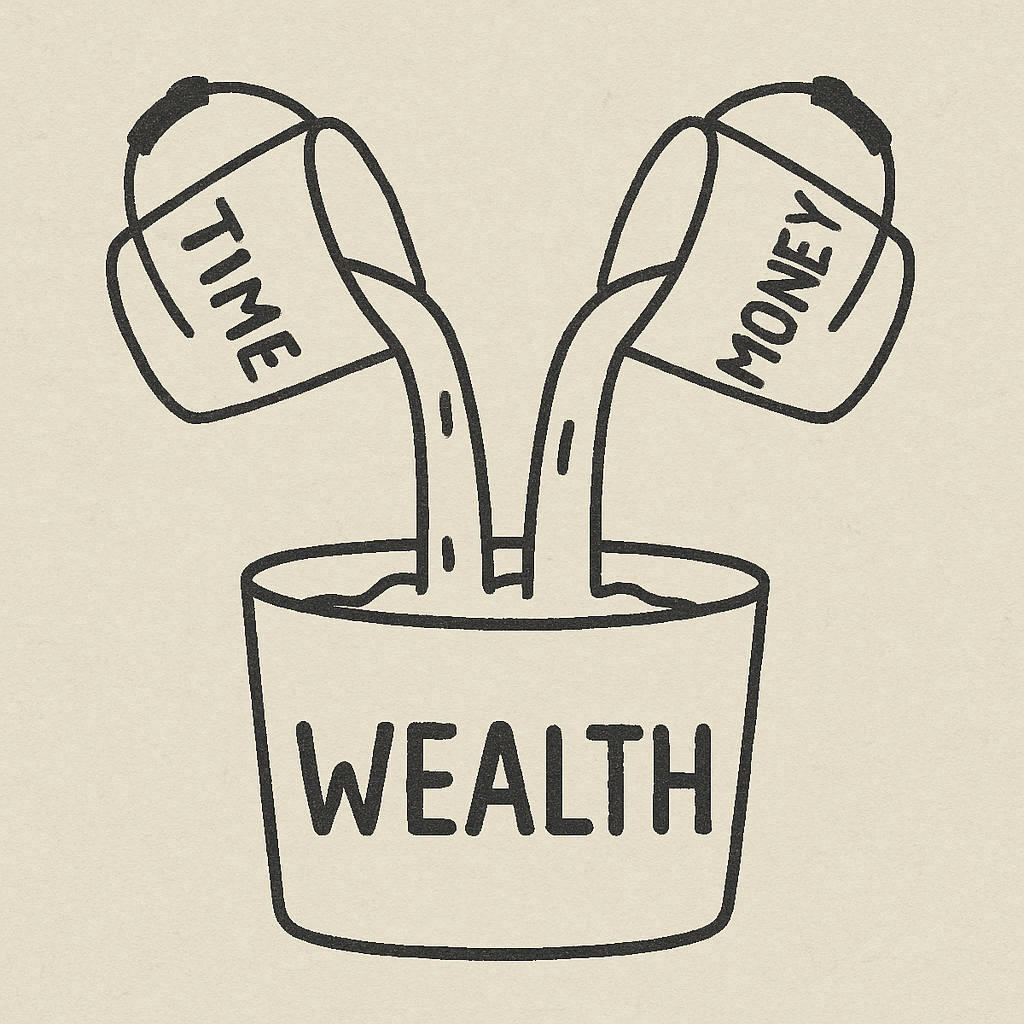
Creating passive income starts by determining whether you have more free hours or extra savings. Most people begin their journey by pouring their most abundant resource into one of two buckets.
Those with extra cash can build capital equity, using dollars to buy things that generate more dollars. Letting your savings do the heavy lifting bypasses the physical sweat usually required in the beginning, provided you can comfortably meet the capital requirements for initial investments.
Alternatively, investing weekends to write an e-book creates a scalable asset, meaning a product you build once but sell continuously without extra labor. These time-heavy projects eventually generate cash to fund your money bucket, succeeding at building multiple revenue streams.
Dividend Stocks: Getting Paid a ‘Thank You’ Fee for Owning Big Business
While growth companies keep their cash to expand, dividend companies send a portion of their profits directly to your bank account.
This payout is measured by a “Dividend Yield,” which is the annual percentage of the stock price paid back to you. A healthy yield sits between 2% and 5%; anything higher often signals a risky investment. Fortunately, you can buy “fractional shares”—a tiny slice of an expensive stock—for just $5.
Finding reliable companies means looking for a “Dividend Aristocrat.” Use this checklist to spot them:
- Paid dividends for 25+ consecutive years
- Yield stays between 2% and 5%
- Sells essential everyday products
The ‘Shopping Basket’ Strategy: Why Index Funds Are Your Safest Long-Term Bet
Instead of betting on one company, imagine buying a shopping basket filled with tiny pieces of America’s top 500 businesses. This is the foundation of index fund investing for long term wealth, providing a built-in safety net called “diversification.” When your money is spread everywhere, a single failing company won’t wipe you out.
Every basket comes with an “Expense Ratio,” which is simply the annual fee charged to maintain your investments. Sticking to low-fee funds—usually under 0.1%—keeps your hard-earned cash working for you instead of paying a fund manager’s salary.
Automating a small monthly contribution turns this into a true “set it and forget it” system for building passive revenues.
Real Estate Without the Landlord Stress: Investing via REITs

You might love the idea of collecting rent, but traditional rental property management for beginners involves fixing leaky toilets and scraping together a massive $50,000 down payment.
A Real Estate Investment Trust (REIT) is a company that pools everyday investors’ money to buy large properties, such as Retail malls, Residential apartments, or Healthcare facilities. This structure allows you to buy a tiny, stress-free share of a commercial building for just a few dollars.
By law, REITs must pass almost all their rental profits directly to their shareholders, meaning you automatically earn regular monthly or quarterly “distributions” (a simple cash payout). Property offers excellent long-term growth for an investment portfolio.
High-Yield Savings: Why Your Bank Should Pay You a ‘Storage Fee’
Every day you leave money in a standard bank, they loan it out while giving you pennies. High-yield savings accounts flip this script by offering a “storage fee” called APY (Annual Percentage Yield), which is simply the interest your money earns yearly. Consider the difference:
- Traditional Big Bank: 0.01% APY
- High-Yield Account: 4.00%+ APY
Making this switch avoids risking your emergency fund. These modern banks feature FDIC Insurance, a government guarantee protecting your deposits up to $250,000 if the institution fails.
Opening one takes under ten minutes online, unlocking excellent high yield savings account benefits instantly.
Digital Referral Rewards: Building a Scalable Affiliate Marketing Strategy
Imagine recommending a fantastic vacuum to a friend and the store suddenly sends you a thank-you check. This simple referral concept is the foundation of creating a scalable affiliate marketing strategy online.
Instead of posting spammy advertisements, you share custom URLs called affiliate links for products you genuinely value. When someone buys through your link via networks like Amazon, ShareASale, or ClickBank, you earn a digital commission.
Your earnings rely on your conversion rate, which is the percentage of your readers who actually buy the recommended product. To boost this metric, build a “content bridge”—like a helpful blog tutorial or review—that answers questions and sells items while you sleep.
Earning commissions through digital referrals proves your everyday advice has real financial worth.
Monetizing Your Knowledge: Creating Digital Products and Intellectual Property
You likely have a hobby or professional skill that others want to learn, from meal planning to basic woodworking. By packaging this knowledge into a simple PDF guide or spreadsheet template, you create intellectual property—a legally owned asset you build just once but sell repeatedly.
The true magic of this system is scalability, meaning you can serve one customer or one thousand with the exact same amount of effort. Because there are zero manufacturing costs to duplicate digital files, hosting platforms like Etsy or Gumroad let you keep nearly all the profit.
Ultimately, monetizing digital products and courses requires upfront work, but it creates a reliable path toward earning royalties from intellectual property for years.
Automated E-Commerce: How to Launch a Hands-Off Dropshipping Store
Imagine running a retail shop where you never touch the merchandise. This is dropshipping—a model where a third-party supplier holds inventory and handles shipping. When setting up automated online businesses, this eliminates the hassle of storing boxes in your garage. You simply focus on selecting a stable niche, like everyday pet supplies, rather than chasing risky, short-lived fads.
Software acts as your digital manager to handle order fulfillment—the process of packing and delivering goods. Tools like Shopify create a seamless automated flow:
- Customer buys from your website.
- Order is sent to the supplier.
- Supplier ships the item directly.
- You keep the profit margin.
With your supply chain running quietly in the background, you can invest those earnings elsewhere.
Peer-to-Peer Lending: Becoming the Bank for Others
Becoming a bank isn’t reserved for wealthy corporations. P2P platforms let you loan money directly to individuals. By cutting out the banking middleman, you capture higher interest rates than standard savings accounts offer.
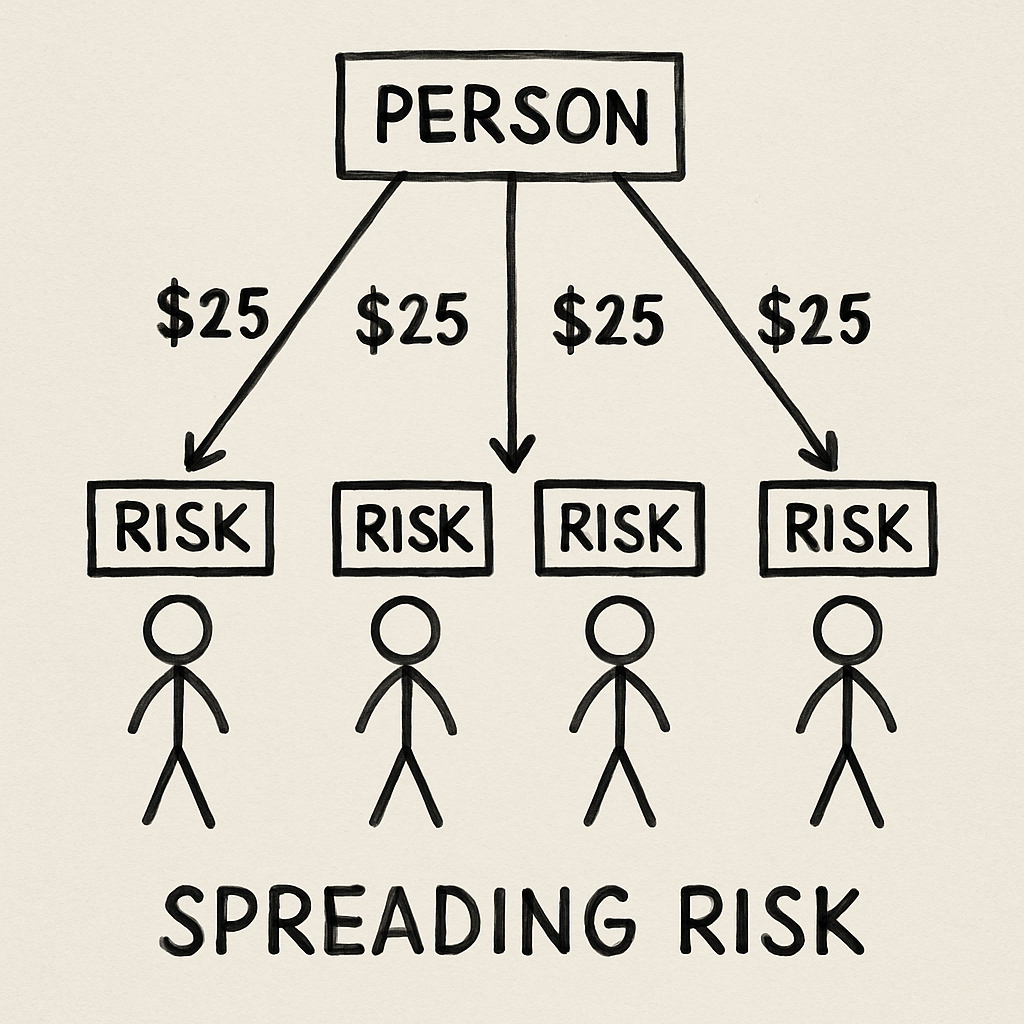
Naturally, this introduces default risk—the chance a borrower stops paying. You balance peer to peer lending risks and returns by never giving one person your entire investment. Lending just $25 across many different borrowers easily spreads out potential losses.
Your payout ultimately depends on the borrower’s credit score. Loaning to people with strong financial histories offers lower returns but steady payments, whereas riskier borrowers pay higher interest.
Your 2026 Action Plan: Moving from Learning to Earning
You now know that true passive income is about building systems, not finding free money. Earning this requires conquering the initial “Slope of Hard Work,” where your upfront effort heavily outweighs your immediate financial reward.
Create a 30-day roadmap to your first passive dollar by choosing just one simple idea today instead of immediately building multiple revenue streams. Whether you fund a high-yield savings account or draft a short digital guide, focus entirely on launching that single asset.
As your system takes off, recognize the maintenance required to keep streams healthy and profitable. You must also implement basic tax strategies for investment income, as the government treats money earned from assets differently than a standard hourly paycheck.
Every successful asset you create ultimately buys back your most valuable metric: time freedom. Dedicate the upfront effort today, and build your foundation for long-term financial security.