
Investing is a powerful tool for building wealth. It offers numerous opportunities to grow your money over time. But how do you make money from investing?
Understanding the basics is crucial. Different strategies cater to different financial goals and risk tolerances. From stocks to real estate, each investment type has its own potential.
Impact investing is gaining popularity. It allows you to earn returns while supporting social and environmental causes. This dual benefit attracts many modern investors.
Passive income investments are another avenue. They provide ongoing income streams with minimal effort. Think dividend stocks or rental properties.
In this guide, we’ll explore top strategies for profitable investing. Whether you’re a beginner or seasoned investor, there’s something here for you.
Understanding How You Make Money from Investing
Investing involves buying assets and selling them for more later. This basic principle guides every investment decision. However, the methods and tools used can vary greatly.
Ways to Make Money from Investing:
- Capital Gains: Profit from selling assets for more than the purchase price.
- Dividends: Regular payments from stocks, usually distributed quarterly.
- Interest Income: Earnings from bonds or savings accounts.
- Rentals: Income from leasing real estate properties.
Each investment type offers different benefits and risks. Stocks and real estate are well-known for capital gains potential. Bonds often provide stable interest, while real estate can also generate steady rental income.
Understanding market trends is key to success. Economic indicators, industry developments, and geopolitical events can influence asset values. Staying informed helps in making timely and profitable decisions.
Setting financial goals is the starting point. Know whether you want quick profits or long-term growth. This clarity shapes your investment strategy. For those seeking wealth-building investments, patience and planning are crucial.
Mastering the basics of money-making investments sets the foundation. With this knowledge, you can better navigate the financial landscape. Being informed equips you to make wiser choices and grow your wealth effectively.
Key Types of Money-Making Investments
There are several major investment categories to consider. Each comes with unique opportunities and challenges. Knowing the options helps investors make informed decisions.
Popular Investment Types:
- Stocks: Buy shares of companies to earn through price appreciation and dividends.
- Bonds: Lend money to governments or corporations for interest payments.
- Real Estate: Purchase properties for income from rentals and property value growth.
- Mutual Funds/ETFs: Invest in diverse assets managed by professionals.
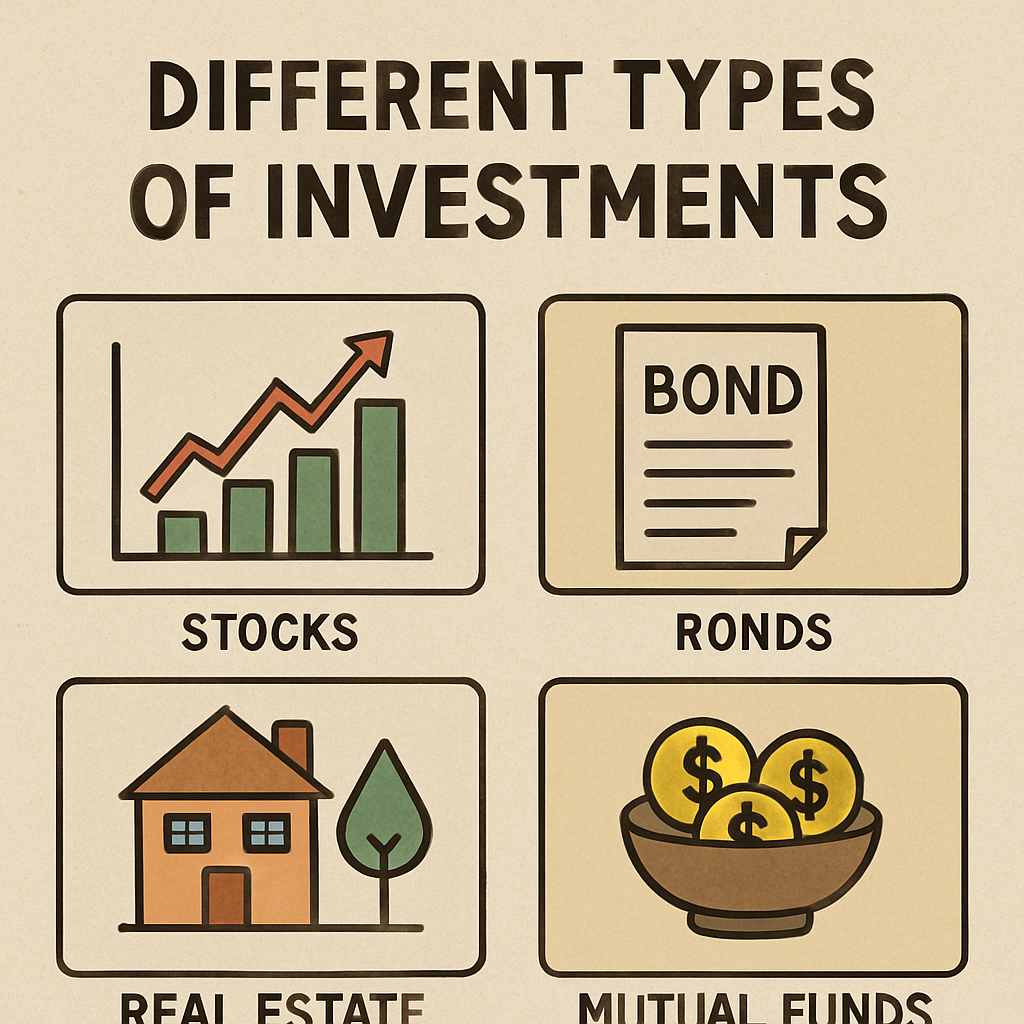
Stocks are often seen as high-risk but offer high-reward potential. The stock market provides platforms for investors to grow their wealth significantly. A well-diversified stock portfolio can maximize returns while managing risk.
Bonds provide stability, ideal for cautious investors. They typically involve lower risks compared to stocks but offer modest returns. They are an excellent choice for balancing an investment portfolio.
Real estate appeals to those interested in tangible assets. Properties can appreciate in value and also generate rental income. Mutual funds and ETFs are ideal for beginners, offering diversification and managed expertise without extensive personal involvement. These investment vehicles allow exposure to various markets while minimizing risk through diversification. Understanding each type ensures you’re making choices aligned with your financial goals.
How Much Money Do You Make from Investing? Factors That Matter
The amount you earn from investing depends on various factors. Understanding these can help set realistic expectations. Not every investment guarantees a specific return, and potential earnings can vary greatly.
Factors Influencing Investment Earnings:
- Investment Type: Different types have different potential returns.
- Time Horizon: Long-term investments often yield better results.
- Risk Tolerance: Higher risk can mean higher rewards but also potential for greater loss.
- Market Conditions: Economic factors and market trends can impact investment performance.
Your investment strategy plays a significant role in potential earnings. A well-researched plan increases the likelihood of achieving financial goals. Moreover, diversifying your portfolio can protect against unforeseen market shifts, potentially enhancing returns over time.
Patience and perseverance are key in the investment world. Avoid knee-jerk reactions to short-term market changes. Consistently reviewing and adjusting your strategy based on market dynamics is crucial. It ensures your investments align with evolving financial objectives and personal circumstances.
Building Wealth: Long-Term vs. Short-Term Investment Strategies
Long-term and short-term investment strategies serve different purposes. Each has its benefits and challenges, depending on your financial goals. Understanding the distinction is key to making informed decisions.
Long-Term Investment Strategies
Long-term investments are typically held for several years. They take advantage of compound interest and market growth. Common examples include stocks, real estate, and retirement accounts.
Benefits of long-term strategies include:
- Potential for substantial growth over time
- Reduced impact of short-term market fluctuations
- Better alignment with retirement and major life goals
Short-Term Investment Strategies
Short-term investments are designed for quicker returns. They are often held for months rather than years. Examples include money market accounts, Treasury bills, or short-term bond funds.
Advantages of short-term strategies:
- Quick liquidity to access funds when needed
- Potential to capitalize on market opportunities
- Useful for reaching immediate financial goals
Both approaches have a place in a balanced portfolio. Your choice depends on personal goals, risk tolerance, and investment timeline. Combining both strategies can diversify your investment portfolio, balancing risk and return in a way that meets your long-term aspirations and short-term needs.
Passive Income Investments: Earning While You Sleep
Creating a stream of passive income can significantly enhance your financial stability. It allows money to flow in with minimal ongoing effort. Such investments are ideal for those seeking to supplement their regular income.
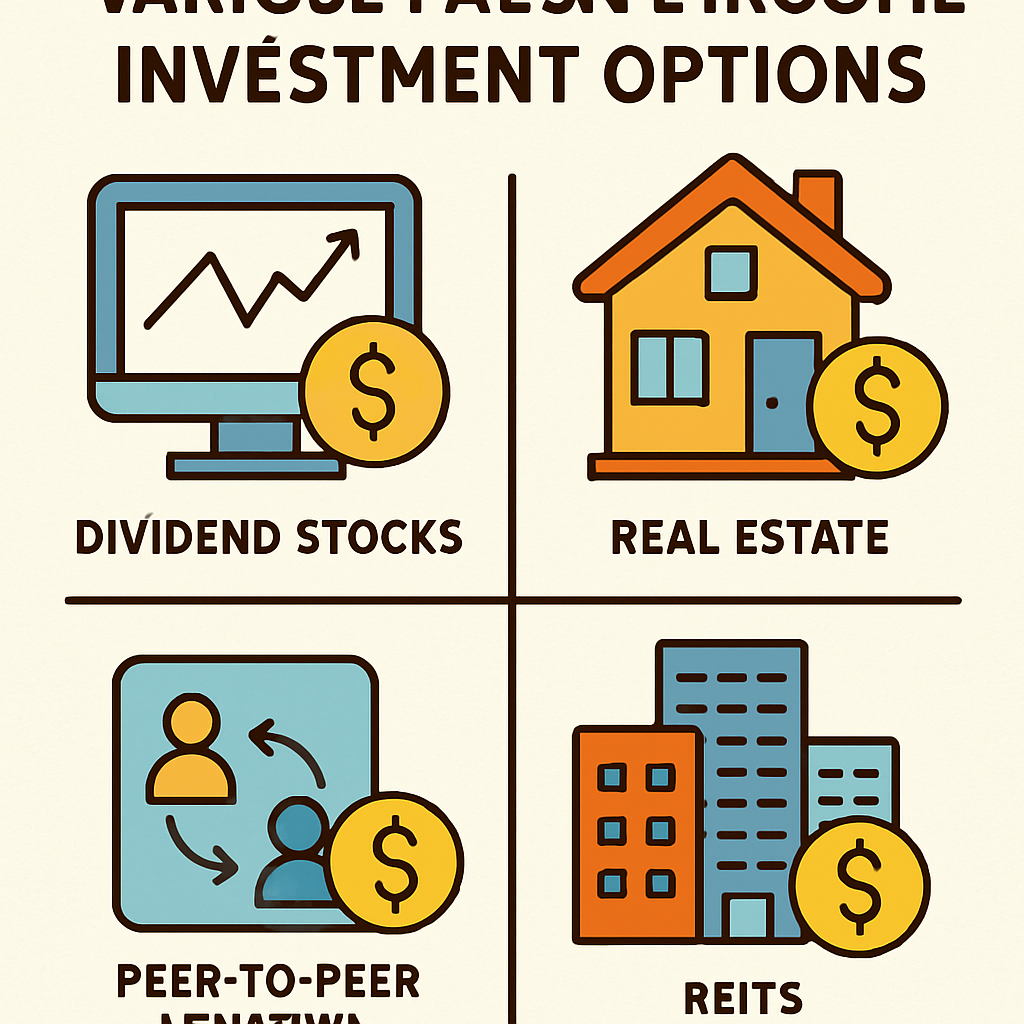
Passive income sources come in many forms. They include dividend stocks, rental properties, and bonds. These investments provide regular payouts, often on a quarterly or monthly basis. They require initial effort but offer ongoing financial rewards.
Some popular passive income investments include:
- Dividend-paying stocks: Companies that regularly distribute a portion of their profits.
- Real estate rentals: Properties purchased to earn rental income.
- Peer-to-peer lending: Platforms that connect borrowers with individual lenders for mutual benefit.
Choosing the right mix of passive income investments can enhance financial security. It also helps you achieve greater independence from active income sources. Imagine earning a steady stream of money while you focus on other pursuits or enjoy your leisure time.
How Do You Make Money from Impact Investing?
Impact investing combines financial returns with societal benefits. It targets companies contributing to positive environmental or social changes. Here, the goal isn’t just profit—it’s also making a meaningful impact.
Investors have a variety of sectors to choose from in impact investing. Popular areas include renewable energy, sustainable agriculture, and affordable housing. Each sector provides opportunities for financial gain while promoting good.
When participating in impact investing, you can earn money through:
- Appreciation: Stocks increase in value over time, leading to profit.
- Dividends: Regular payouts from companies involved in ethical practices.
- Interest: Returns from loans to sustainable initiatives.
Choosing investments that align with your values is important. This not only fuels social progress but also enriches your investment portfolio. Impact investing is proof that doing well and doing good can go hand in hand.
Diversification and Risk Management for Investors
Diversification is key to reducing investment risk. By spreading investments across various asset classes, you can minimize the impact of a single underperforming asset. This strategy helps smooth potential losses and enhance steady returns.
Risk management involves assessing your risk tolerance. This helps in making informed investment decisions that align with your financial goals and comfort level. A balanced approach can protect your investments from market volatility.
In managing risk, consider these methods:
- Asset Allocation: Distribute your investments among stocks, bonds, and real estate.
- Regular Portfolio Review: Assess performance and make necessary adjustments.
- Set Stop-Loss Orders: Limit potential losses by setting sell points.
These strategies create a safety net for your portfolio. A diversified and well-managed investment approach paves the way for sustainable growth and peace of mind.
Maximizing Returns: Tips for Smart Investors
Smart investors focus on maximizing their returns through informed decisions. One effective way is through research and staying informed about market trends. Understanding economic indicators can lead to better investment choices.
Regularly reviewing your portfolio is crucial. It helps in ensuring that your investments align with your goals. Adjusting your asset allocation based on performance can optimize returns.
An important strategy is setting clear financial goals. Goals provide direction and assist in crafting a targeted investment plan. Consider both short-term and long-term objectives when setting these goals.
Here are some additional tips to enhance returns:
- Minimize Fees: Choose low-cost investment options to maximize net gains.
- Dollar-Cost Averaging: Invest a fixed amount regularly to reduce market volatility impact.
- Utilize Tax-Advantaged Accounts: Use IRAs or 401(k)s to benefit from tax breaks.
These strategies can significantly boost your investment efficiency. By implementing them, you’ll be on your way to achieving better financial outcomes.
Common Mistakes Investors Make and How to Avoid Them
Investors often fall into traps that could be easily avoided. One common mistake is not conducting adequate research. This lack of information can lead to poor investment choices.
Emotional decisions are another pitfall. Reacting to market fluctuations without a plan can hurt your returns. Maintain a steady approach, focusing on long-term goals instead.
It’s also crucial to avoid overdiversification. While diversification is essential, too much can dilute potential gains.
Here are ways to sidestep these mistakes:
- Educate Yourself: Stay informed about market conditions and trends.
- Stick to Your Plan: Avoid making impulsive changes.
- Set Realistic Expectations: Understand market volatility is normal.
Following these steps can help secure a more stable financial future. Remember, discipline and knowledge are key.
Conclusion: Start Your Wealth-Building Journey Today
Investing is a vital tool for building wealth over time. With the right strategies and a solid understanding of the market, anyone can turn their financial goals into reality.
Begin your journey by setting clear goals and educating yourself. Adopt a disciplined approach to investing. By doing so, you lay the foundation for a prosperous future. The path to wealth is a marathon, not a sprint. Start today and commit to growing your financial knowledge and assets.