
Navigating the world of car insurance can often feel like trying to decipher a foreign language. With so many tiers of coverage, add-ons, and legal jargon, it is easy to feel overwhelmed. When shopping for auto insurance, you have likely heard the term “full coverage” thrown around. But what about the alternatives? Understanding non comprehensive insurance is crucial for drivers looking to balance their budget while staying legally compliant on the road.
Whether you are looking to insure a reliable older vehicle or simply trying to cut down on monthly expenses, a non-comprehensive policy might be exactly what you need. In this guide, we will break down exactly what these policies entail, explore the fundamental differences between various coverage types, and help you figure out if stepping away from a full coverage policy is the right financial move for you.
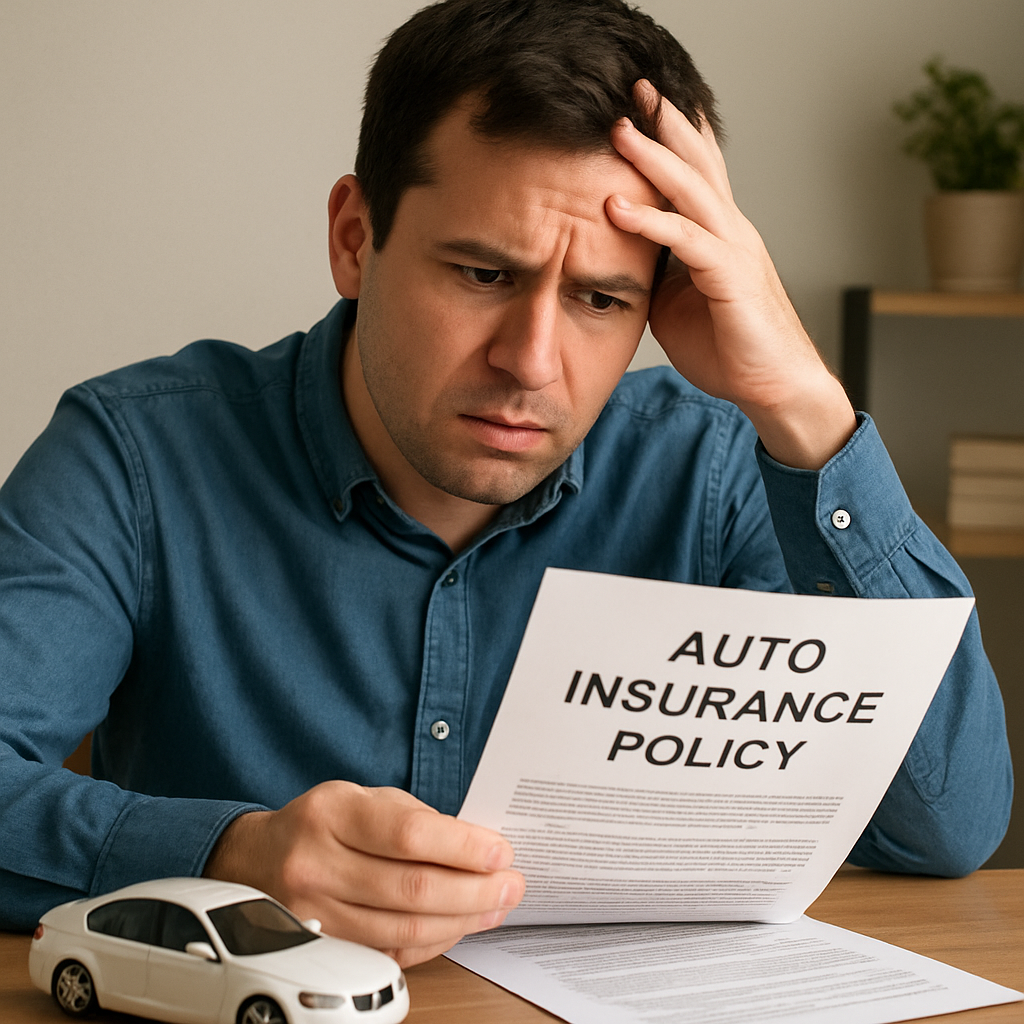
What is Non-Comprehensive Insurance?
At its core, non comprehensive insurance refers to auto insurance policies that do not include comprehensive coverage (and typically exclude collision coverage as well). Instead of protecting your own vehicle against all possible damages, these policies focus primarily on covering the costs of damages or injuries you cause to others.
Meeting your state or country’s minimum legal car insurance requirements is non-negotiable. Every driver must adhere to specific legal obligations for motor vehicle operators, which generally dictate that you must have a basic level of liability insurance to legally drive on public roads. A non-comprehensive policy satisfies these legal mandates without the added premium costs associated with repairing or replacing your own vehicle in every scenario.
The Tiers of Non-Comprehensive Coverage
When you opt out of full coverage, you are usually looking at a few specific tiers of insurance. Understanding these will help you pinpoint the best option for your lifestyle.
Third Party Only (TPO)
The most basic tier available in many regions is third party only policy coverage. As the name suggests, this policy strictly covers the “third party”—the other driver, their passengers, and their vehicle—if you are at fault in an accident.
- What it includes: It provides vital financial protection against third party property damage (like fixing the other driver’s bumper or a homeowner’s fence) and covers third-party medical expenses.
- What it excludes: It offers absolutely zero coverage for your own vehicle.
- The upside: One of the main benefits of choosing a TPO policy is the significantly lower premium. It is the ultimate form of limited car insurance for budget drivers who simply need to get on the road legally.
Third Party, Fire, and Theft (TPFT)
If TPO feels a bit too bare-bones, you might consider the next step up. Having third party fire and theft explained is simple: it includes everything in a standard TPO policy, but adds a layer of protection for your own car in two specific, non-collision scenarios.
If your car is stolen, or if it is damaged by a fire, this policy will compensate you up to the vehicle’s current market value. Because it still excludes general accident damage to your own car, it remains the most affordable motor insurance for low value vehicles that might still be a target for thieves.

What Are You Missing? The Gap Between Basic and Full Coverage
To truly understand non-comprehensive policies, you must understand what you are giving up. Drivers often ask: what is the difference between collision and comprehensive insurance? Let’s break down the two pillars of “full coverage” that are absent from basic policies.
The Breakdown: Comp and Collision
When industry professionals talk about comp and collision coverage, they are referring to the twin safety nets that protect your physical vehicle.
- Collision Coverage: This pays to repair or replace your vehicle if you collide with another car or an object (like a tree, a guardrail, or a light pole), regardless of who is at fault.
- Comprehensive Coverage: Often called “other than collision” coverage, this pays for damage to your car caused by unpredictable events. This includes extreme weather (hail, floods), falling objects (tree branches), vandalism, theft, and animal strikes (like hitting a deer).
When evaluating car insurance comprehensive vs collision, remember that collision handles driving-related impacts, while comprehensive handles environmental and situational damage. Most lenders require you to carry both comp and collision if you are financing or leasing a vehicle. Without comprehensive and collision insurance, your personal asset is entirely exposed to everyday road risks.
The Role of Deductibles
If you do decide to keep full coverage, you will have to choose a deductible—the amount you pay out of pocket before your insurance kicks in. A common dilemma is choosing a comprehensive vs collision deductible. Drivers often set a lower deductible for comprehensive (since weather events are out of their control) and a higher deductible for collision (to keep premium costs down).
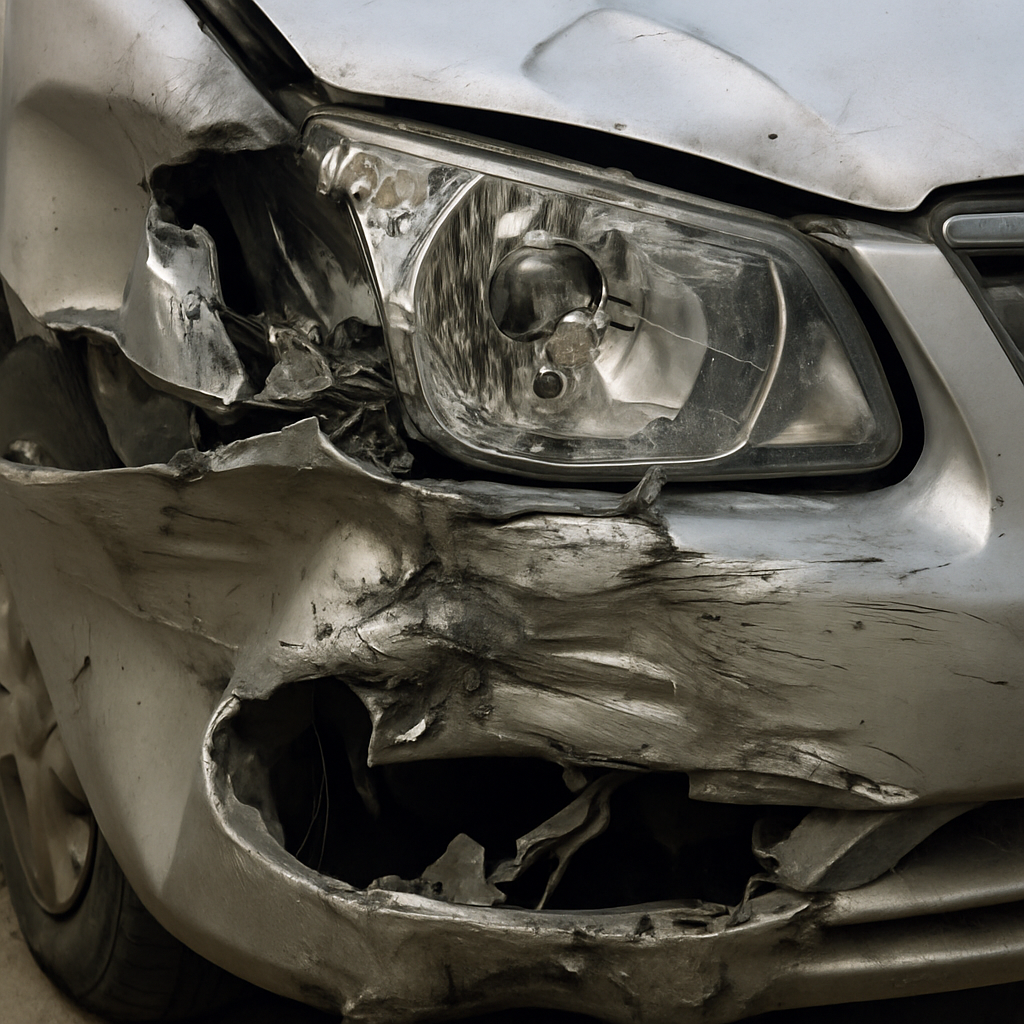
However, with a non-comprehensive policy, deductibles for your own vehicle repairs don’t apply because you simply don’t have the coverage. This introduces a significant risk of out of pocket repair costs. If a hailstorm totals your car, and you only have liability insurance, you will bear 100% of the replacement cost.
Addressing Common Concerns: What Happens If…
Switching to a leaner policy naturally brings up a lot of “what if” scenarios. Let’s address the most common questions drivers have regarding non-comprehensive plans.
“Does basic insurance cover my own vehicle repairs?”
The short answer is no. If you have a liability-only or TPO policy, your insurance company will not issue a payout to fix your vehicle if you cause an accident, or if you hit a stationary object. The burden of your vehicle’s repair bills will fall squarely on your shoulders.
“What happens if I cause an accident without full coverage?”
If you are at fault in a crash and only carry basic liability insurance, your provider will step in to pay for the other driver’s medical bills and vehicle repairs up to your policy limits. However, your car will not be covered. You will be responsible for towing your vehicle, getting repair estimates, and paying the mechanic entirely out of pocket.
Understanding the Claims Process
The claims process for third party accidents varies depending on who is at fault:
- If you are at fault: You notify your insurer, and they handle the payout to the third party. You figure out your own car repairs independently.
- If the other driver is at fault: You will file a claim directly with their insurance company. Their liability coverage should pay for your vehicle’s repairs and your medical bills. (Note: It is highly recommended to carry Uninsured Motorist coverage just in case the at-fault driver is driving illegally).
Cost vs. Protection: Making the Right Choice
Deciding whether to drop full coverage in favor of a basic policy is a numbers game. It requires an honest look at your vehicle’s value, your savings, and your risk tolerance.
Analyzing the Costs
Doing a liability only vs full coverage cost analysis is the best way to start. Take your current premium and subtract the cost of your comp and collision coverage. Is the amount you save over a year worth the risk of losing the car entirely?
For a brand-new car, the answer is almost always no. But for an older vehicle, the math shifts. Reducing annual premiums for older cars is a smart financial strategy. As a car depreciates, the maximum payout you can receive from an insurance company (the actual cash value of the car) shrinks. Eventually, you might be paying $500 a year in comp and collision for a car that is only worth $1,500. At that point, dropping down to a non-comprehensive policy is the logical choice.

How to Determine the Right Fit
If you are struggling with how to determine necessary level of protection, ask yourself these three questions:
- What is my car’s current market value? Check resources like Kelley Blue Book. If your car is worth less than a few thousand dollars, full coverage might be a waste of money.
- Can I afford to replace my car tomorrow? If your car was totaled today, do you have enough cash in an emergency fund to buy a replacement vehicle? If yes, a non-comprehensive policy is a safe bet. If not, you might want to hold onto that comprehensive and collision coverage a bit longer.
- Does a lender own my car? If you are still making payments on an auto loan or lease, you rarely have a choice. Lenders require full coverage to protect their investment until the title is in your name.
Final Thoughts
Car insurance is not a one-size-fits-all product. While full coverage offers undeniable peace of mind, it isn’t always a financial necessity—especially for older, depreciated vehicles.By understanding the mechanics of non comprehensive insurance, evaluating the realities of out-of-pocket risks, and comparing costs, you can tailor a policy that fits your budget without compromising your legal standing. Take the time to assess your vehicle’s worth and your personal finances today; you might find that adjusting your coverage is the easiest way to put money back in your pocket while staying safe on the road.