
Car insurance is essential for every car owner. It protects against financial loss from accidents or theft. Understanding how car insurance works can save you money and stress.
There are various types of car insurance. Each type offers different levels of protection. Knowing these can help you choose the right coverage.
Insurance policies can be complex. They involve premiums, deductibles, and policy limits. Learning these terms is crucial for making informed decisions.
Gap insurance is another important aspect. It covers the difference if your car is totaled. This is especially useful for new cars.
This guide will explain the basics of car insurance. You’ll learn about coverage types, how premiums are calculated, and tips for choosing the right policy.
What Is Car Insurance and Why Do You Need It?
Car insurance is a contract between you and an insurance company. In exchange for your premiums, it provides financial protection. This protection covers losses from car-related damages or incidents.
Insurance is crucial for several reasons. Accidents can be expensive. Without coverage, you might face high repair costs or medical bills. Insurance helps mitigate these financial burdens.
Here’s why car insurance is essential:
- Covers bodily injuries
- Protects against property damage
- Offers legal defense in accidents
In many places, having car insurance is legally required. It ensures that you can cover potential damages. Additionally, lenders often mandate insurance for financed vehicles.
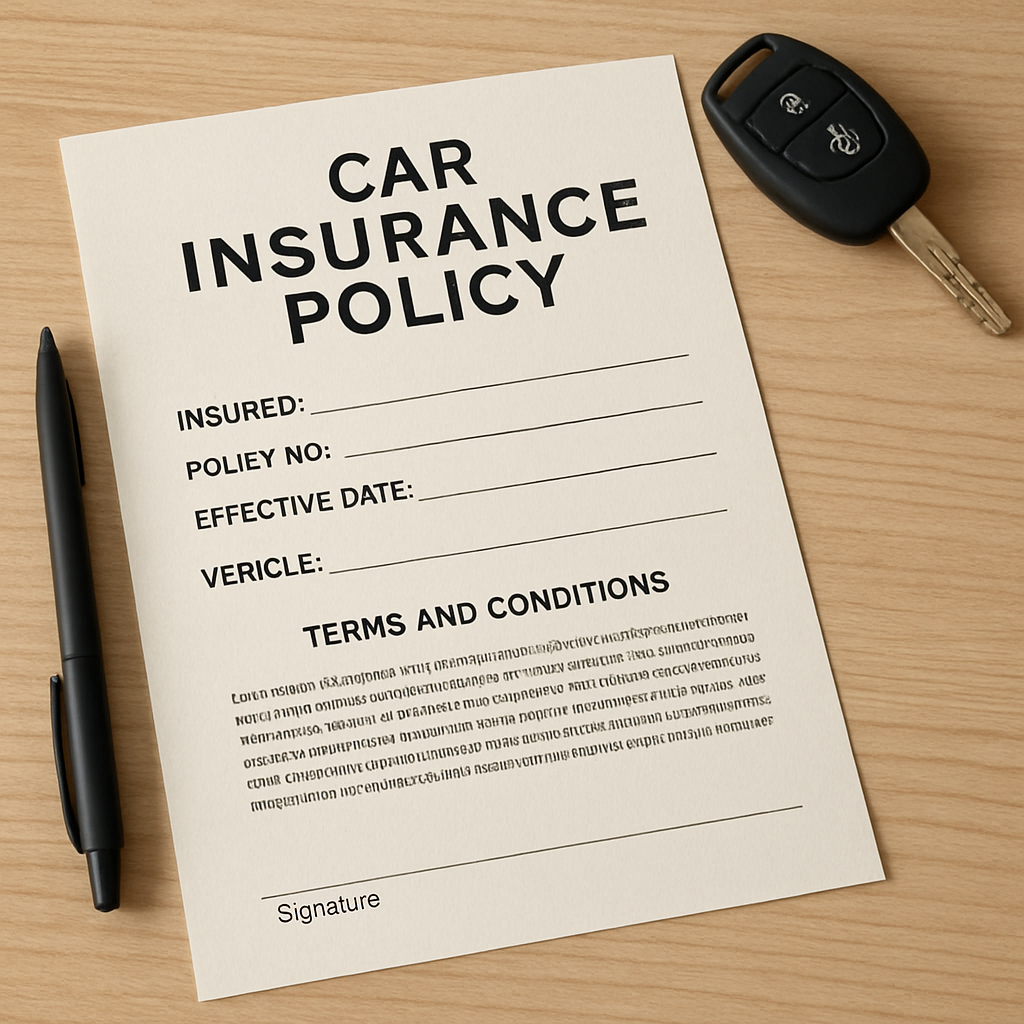
Making sure you have the right insurance not only keeps you legal but also protects your financial well-being in case of unexpected events.
How Does Car Insurance Work?
Car insurance operates on a simple principle: risk-sharing. You pay regular premiums to the insurer. In return, they cover specific risks outlined in your policy.
When an accident occurs, you start by reporting it to your insurer. You’ll provide details and documentation. An adjuster will then evaluate the damage and determine claim validity.
Here’s how the process typically unfolds:
- Report the incident to your insurance company.
- Submit necessary documentation like photos and reports.
- Work with an adjuster to assess the claim.
- Receive compensation based on policy terms.
The insurer covers losses according to your policy limits and deductibles. It’s a safety net for unexpected expenses. Comprehensive understanding helps in maximizing coverage benefits.

Educating yourself about how car insurance works ensures better preparedness and smoother claims processing.
Types of Car Insurance Coverage
Car insurance comes in various forms, each designed to cover different aspects of a vehicle-related incident. Understanding these coverage types can help you choose the best policy for your needs. Below, we explore the main types of car insurance.
Common types of car insurance include:
- Liability Insurance
- Collision Insurance
- Comprehensive Insurance
- Personal Injury Protection (PIP)
- Uninsured/Underinsured Motorist Coverage
Each type offers specific protections and is vital in different scenarios. Knowing which coverages you need can prevent unforeseen expenses. It’s crucial to assess your risks and financial situation.
Some coverages are required by law, while others are optional. However, optional coverages can offer significant protection and peace of mind.
The choice of coverage should reflect your driving habits and personal preferences. You can often enhance your basic policy with additional coverage for optimal protection.
by Tao Yuan (https://unsplash.com/@peek_a_boo_who)
Understanding each type of insurance gives you leverage to tailor a policy that is right for you.
Liability Insurance
Liability insurance covers injuries and damage you cause to others in an accident. It’s a mandatory coverage in most places. This insurance pays for both bodily injuries and property damage.
Without it, you’re financially responsible for costs that exceed your ability to pay. Consider it a basic but vital protection for every driver.
Collision Insurance
Collision insurance pays for damage to your car after a collision with another vehicle or object. It’s especially useful if your vehicle is newer or expensive.
Your insurance company will compensate you for repair costs, minus the deductible. This coverage ensures your vehicle can return to road-worthy condition promptly.
Comprehensive Insurance
Comprehensive insurance covers non-collision-related incidents like theft or natural disasters. It’s often required by lenders for financed cars.
This coverage handles various risks beyond road accidents. Whether it’s a fallen tree or vandalism, comprehensive insurance has you covered.
Personal Injury Protection (PIP) and Medical Payments
PIP covers medical expenses for you and your passengers, irrespective of who’s at fault. It’s particularly beneficial in no-fault states.
Medical payments coverage provides similar benefits but may be more limited. Both ensure that medical expenses don’t create financial strain after an accident.
Uninsured and Underinsured Motorist Coverage
Uninsured motorist coverage steps in if you’re hit by a driver without insurance. It’s essential for protecting against unforeseen financial burdens.
Underinsured motorist coverage offers protection when the at-fault driver’s insurance is insufficient. Both coverages can save you from out-of-pocket expenses in such situations.
Optional and Specialty Coverages
Optional coverages provide additional layers of protection tailored to your specific needs. They aren’t required by law but can offer significant benefits.
These coverages address unique situations that standard policies might not cover. Consider them as enhancements to your basic insurance framework.
Examples of optional coverages include:
- Rental Car Reimbursement
- Roadside Assistance
- Custom Parts and Equipment Coverage
Such options offer peace of mind during unexpected incidents. Having roadside assistance ensures you’re never stranded, while rental reimbursement handles transportation when your car is in repair.
by Hal Gatewood (https://unsplash.com/@halacious)
Carefully evaluate these add-ons based on your lifestyle and driving habits. They can provide valuable support when standard coverage falls short.
How Does Gap Insurance Work If Your Car Is Totaled?
Gap insurance covers the difference between your car’s actual cash value and the remaining loan balance. This is crucial when your car is totaled, especially for new vehicles that depreciate fast.
This coverage ensures you’re not left owing money on a loan for a car you can no longer drive. It’s particularly useful if you have a long loan term.
Key points about gap insurance:
- Protects against depreciation
- Covers loan balance after total loss
- Essential for financed vehicles
In essence, gap insurance helps prevent financial loss in the case of a severe accident, providing a safety net against owing thousands on a totaled car.
How Are Car Insurance Premiums Calculated?
Car insurance premiums depend on several factors. Insurers evaluate these to assess risk and set rates accordingly.
Driving record significantly impacts premiums. A clean record often results in lower costs.
Your vehicle type is another key consideration. Sports cars and luxury vehicles typically incur higher rates.
by Mehdi Mirzaie (https://unsplash.com/@mirzaie)
Factors influencing premium calculations include:
- Age and experience of driver
- Geographic location
- Claim history
- Credit score
Insurers also look at your driving habits, such as annual mileage. More time on the road means increased risk, affecting premiums.
Lastly, your policy choices, like coverage limits and deductibles, shape your premium. These selections offer flexibility in balancing cost with coverage level.
Deductibles and Policy Limits Explained
Understanding deductibles and policy limits is crucial. They greatly influence your out-of-pocket costs during a claim.
A deductible is what you pay before insurance covers the rest. Choosing a higher deductible usually means lower premiums.
Policy limits are the maximum amounts an insurer will pay for a covered loss. It’s important to ensure these limits match your potential risks.
Key points about deductibles and policy limits include:
- Affects claim payments
- Higher deductibles lower premiums
- Limits vary by coverage type
Knowing these aspects helps you balance affordability with adequate protection. Choose wisely to avoid unexpected costs down the road.
The Car Insurance Claims Process
The car insurance claims process can seem daunting, but knowing the steps helps simplify it. When an incident occurs, promptly inform your insurer.
Begin by reporting the accident. Provide essential details like the date, location, and extent of damage. This ensures a smooth claims processing journey.
You’ll work with an adjuster who assesses damage and determines coverage. Collaborate with them to expedite approvals and repairs.
A standard claims process involves:
- Reporting the incident
- Submitting documentation
- Working with an adjuster
- Receiving compensation
by Valeria Strogoteanu (https://unsplash.com/@valeriastrogoteanu)
Being organized and responsive during claims can lead to faster settlements. Keep all communications documented for future reference.
Tips for Choosing the Right Car Insurance Policy
Finding the best car insurance starts with assessing your needs. Consider your driving habits and the type of coverage necessary for your lifestyle.
Research different insurance providers, comparing coverage options and customer reviews. Look for a balance between coverage and cost without sacrificing necessary protection.
When evaluating policies, keep these aspects in mind:
- Types of coverage offered
- Premium costs and deductible amounts
- Customer service and claim processing reputation
Choosing the right policy can save you stress and money in the long run. Regularly review your policy to ensure it still aligns with your evolving needs.
Frequently Asked Questions About Car Insurance
Car insurance can be confusing, with many questions surrounding it. Here, we address some common concerns to clarify your understanding.
How does auto insurance work?
Auto insurance provides financial protection against losses from accidents and theft. You pay premiums, and in return, your insurer covers specified risks.
What factors affect my premium?
Several factors impact your premium, such as:
- Age and driving history
- Vehicle type and location
- Coverage choices and deductibles
Understanding these basics helps you make informed decisions. For more detailed inquiries, contact your insurance provider directly.
Conclusion: Making the Most of Your Car Insurance
Car insurance is crucial for financial peace and security on the road. By understanding the policies and coverage options, you can tailor insurance to fit your needs perfectly.
Regularly reviewing and updating your policy ensures continued protection. Stay informed and proactive to make the most of your car insurance benefits.