
Liability motor insurance is a crucial aspect of vehicle ownership. It provides financial protection in case of accidents. Understanding its basics can help you make informed decisions.
This type of insurance covers damages and injuries to others if you’re at fault. It’s mandatory in most states, ensuring victims receive compensation. Without it, you risk facing significant financial liabilities.
Liability car insurance typically includes bodily injury and property damage coverage. These components protect against medical expenses and repair costs. However, it doesn’t cover your own injuries or vehicle damage.
Choosing the right coverage is essential for peace of mind. Knowing what liability insurance covers can guide you in selecting the best policy.
What Is Liability Motor Insurance?
Liability motor insurance is a fundamental component of auto insurance policies. It serves as a safeguard against financial losses incurred from accidents where you are at fault. Most states require this coverage to help protect all parties involved in traffic incidents.
This type of insurance focuses on covering damages to other people and their property. If you cause an accident, liability insurance can cover the costs associated with injuries and property repair. It is a legal requirement and a financial shield that prevents out-of-pocket expenses in such scenarios.
Liability insurance policies are split into two main parts:
- Bodily Injury Liability: Covers medical expenses, lost income, and legal fees.
- Property Damage Liability: Covers repair or replacement costs for damaged property.
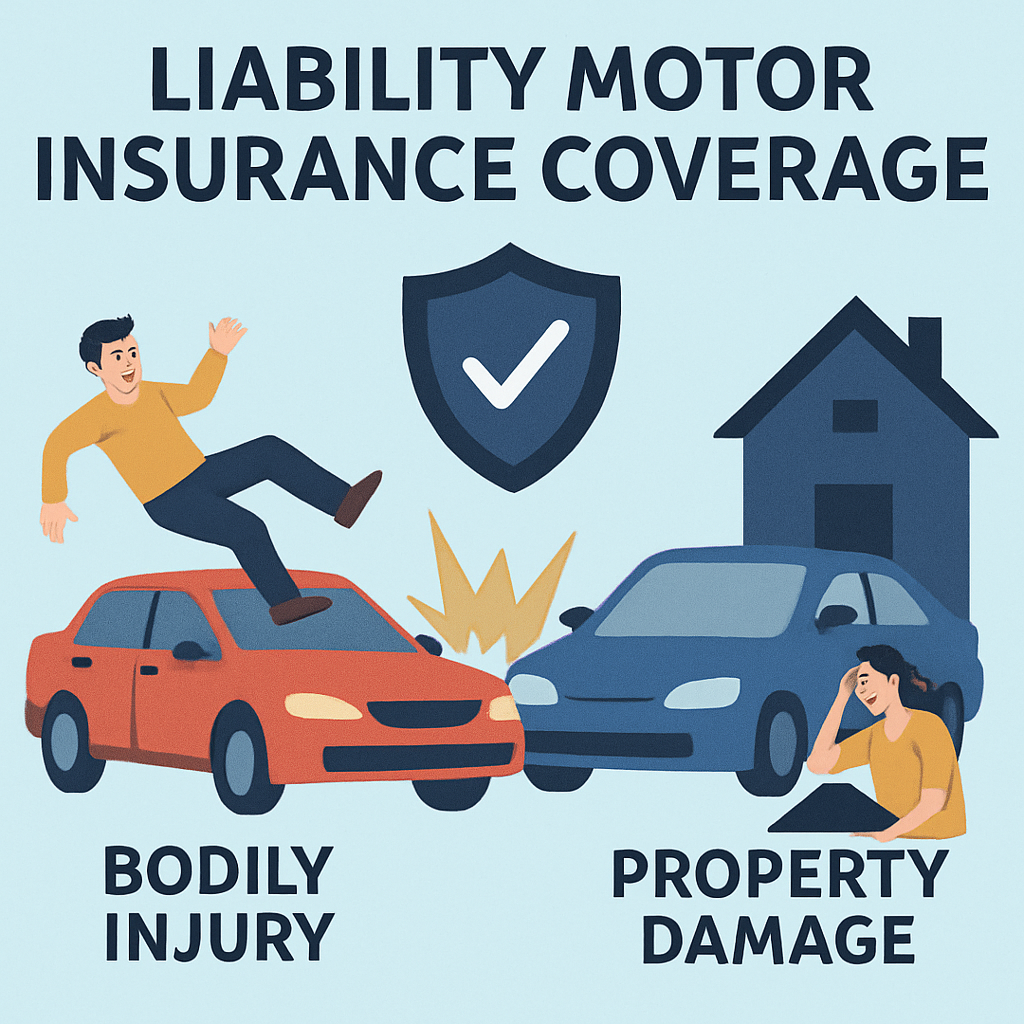
Having liability motor insurance is more than a legal obligation; it’s a responsible action to ensure the safety and well-being of others on the road.
Key Components: Bodily Injury and Property Damage Liability
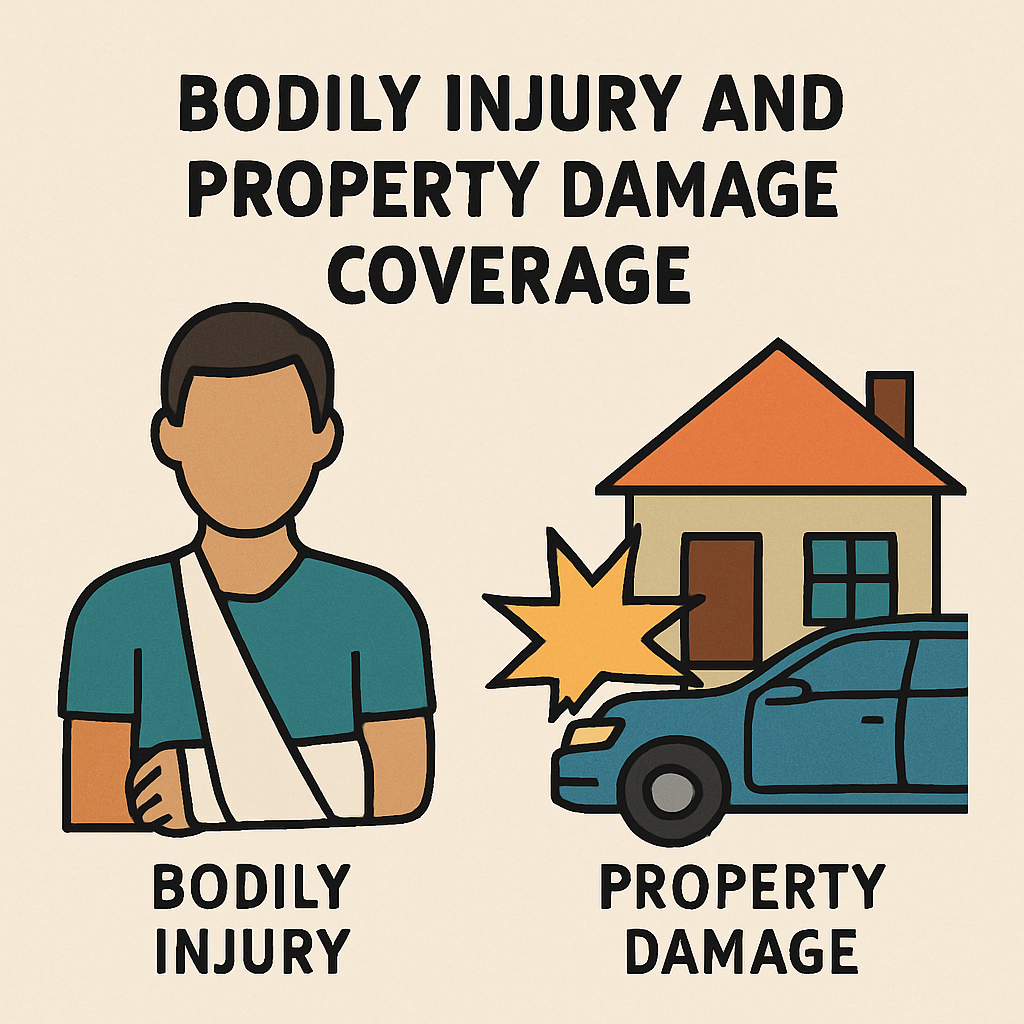
Understanding liability motor insurance starts with knowing its key components. Primarily, it includes Bodily Injury Liability and Property Damage Liability. These two components form the backbone of liability coverage.
Bodily Injury Liability is crucial because it covers injuries caused to others in an accident. Medical expenses can quickly rise, making this coverage indispensable. It includes hospitalization costs, rehabilitation, and even legal expenses if there’s a lawsuit.
Property Damage Liability, on the other hand, manages the costs of repairing or replacing damaged property. This could be anything from the other driver’s car to structures like fences or buildings. Such coverage ensures you’re not left paying hefty repair bills out of pocket.
A typical liability policy splits into two parts:
- Bodily Injury Liability per person
- Bodily Injury Liability per accident
- Property Damage Liability per accident
Choosing appropriate limits for these components ensures adequate protection. While states set minimum levels, opting for higher limits offers better coverage and peace of mind. This is especially vital as the financial implications of accidents can be steep.
Many people find it useful to consult an insurance agent to determine the ideal coverage based on personal needs. Agents can offer insight and recommend liability limits tailored to individual circumstances.
Reviewing policy details regularly ensures that your coverage remains sufficient over time. This can protect you from unforeseen expenses and complications.
What Does Liability Insurance Cover?
Liability motor insurance primarily covers damages or injuries you’re responsible for in an accident. This is fundamental in providing financial protection for potential lawsuits against you.
When you’re at fault, liability coverage pays for the other party’s medical expenses. This includes hospital bills, surgeries, and rehabilitation costs, ensuring victims get necessary medical care.
It also covers the other party’s property damage. This could include repairs to their vehicle or damage to a fence or mailbox.
Here’s a breakdown of what liability insurance typically covers:
- Medical costs for injuries
- Lost wages due to injury
- Legal fees if you’re sued
- Repair or replacement costs for damaged property
However, liability insurance is limited to the coverage amounts you’ve selected. You might want to consider higher limits for enhanced protection.
Remember, liability insurance doesn’t cover your injuries or damage to your vehicle. For comprehensive protection, consider additional policies. Understanding coverage specifics ensures you’re adequately protected in unforeseen events.
What Liability Motor Insurance Does Not Cover
Liability motor insurance has specific limitations and doesn’t cover all potential damages. Knowing these exclusions can prevent surprises after an accident.
It won’t cover your vehicle’s repairs if you’re at fault. This type of insurance strictly handles damages to others or their property.
Additionally, it doesn’t account for theft or vandalism of your car. You’d need separate policies like comprehensive insurance for those situations.
Key exclusions include:
- Personal injury in an accident
- Your car’s repair costs
- Theft or vandalism
- Weather-related damages
Remember to explore supplementary insurance options for a complete safety net. This protects against various risks outside liability’s purview. Being informed helps you choose appropriate coverage for complete peace of mind.
State Requirements and Minimum Coverage Limits
Liability motor insurance is often mandated by state laws. Each state sets its own minimum coverage limits to ensure fair protection for all parties involved in accidents.
Failure to meet these requirements can lead to legal fines and penalties. It’s essential to understand your state’s specific mandates to stay compliant and avoid issues.
States usually require both bodily injury and property damage coverage. Common minimums might include:
- $25,000 for bodily injury per person
- $50,000 for total bodily injury per accident
- $10,000 for property damage
by Clay Banks (https://unsplash.com/@claybanks)
Higher limits can provide better financial protection, especially in severe accidents. It’s wise to review your policy’s terms and consider increasing your coverage. While meeting the minimum is necessary, evaluating if it’s adequate is equally crucial. This ensures you’re not left vulnerable to substantial out-of-pocket expenses in the event of significant claims.
Liability Only Car Insurance vs. Full Coverage
When selecting car insurance, understanding your options is vital. Liability-only car insurance covers damages to others involved in an accident you’re responsible for. This is often the most affordable option for drivers on a budget.
Full coverage, meanwhile, includes liability and protects your vehicle, regardless of fault. It combines liability with collision and comprehensive coverage, safeguarding against theft, vandalism, and natural disasters.
Here are some distinctions:
- Liability Only: Covers others’ expenses, cheaper upfront costs.
- Full Coverage: Protects your car, higher premiums, more comprehensive.
Consider your needs and financial situation when choosing. If you drive an older car, liability-only might suffice. Yet, with a newer vehicle or loan, full coverage could offer peace of mind. Always assess the risks and potential expenses you could face in the event of a mishap.
How Much Liability Coverage Do You Need?
Determining the right amount of liability coverage can be challenging. Start by understanding the minimum legal requirements in your state. These minimums are often not sufficient to cover serious accidents.
Consider your assets when assessing coverage needs. Higher coverage limits protect your personal assets in the event of a major claim. If you own a home or have substantial savings, opting for higher limits is wise.
When choosing coverage, evaluate your driving habits. Frequent driving or operating in high-traffic areas increases accident risk, suggesting higher coverage. Assess potential repair and medical costs; both can escalate quickly in severe accidents.
Here’s a simple guide to help:
- State Minimums: Only if you’re comfortable with the risk.
- $100,000/$300,000: Common for middle-income earners.
- $250,000/$500,000: Suitable for high-net-worth individuals.
By aligning your coverage with your lifestyle and financial standing, you ensure proper protection against unforeseen incidents.
Factors Affecting Liability Insurance Premiums
Liability insurance premiums are determined by multiple factors that insurers assess. Understanding these can help in managing costs effectively.
Your driving history is a significant determinant. A clean record typically results in lower premiums. Conversely, accidents or traffic violations can increase rates.
Other factors include the type and age of your vehicle. Newer or luxury vehicles may incur higher premiums due to repair costs.
Additionally, your geographic location impacts premiums, with areas prone to accidents often facing higher rates. Consider these factors:
- Driving History: Clean records cost less.
- Vehicle Type: Older cars usually cost less.
- Location: City dwellers may pay more due to increased risks.
By knowing these factors, you can take steps to potentially reduce your premiums.
Tips for Choosing the Right Liability Motor Insurance
Choosing the right liability motor insurance requires careful evaluation of your needs and options. Begin by assessing your financial situation and potential risks.
Research different insurers to compare policies and pricing. Look for discounts and bundle options that may apply to you.
Consider the following tips when selecting coverage:
- Assess Needs: Determine adequate coverage limits for your financial security.
- Shop Around: Compare quotes and services from multiple companies.
- Seek Discounts: Ask about available offers to reduce costs.
With careful consideration, you can find the insurance that provides the best protection at a reasonable price.
Frequently Asked Questions About Liability Motor Insurance
Many drivers have questions about liability motor insurance. It’s essential to understand the details to make informed choices.
Is liability motor insurance mandatory?
Yes, it is required in most states to drive legally. It ensures you can pay for damages if you’re at fault.
What factors affect my premium?
Driving history, vehicle type, and location are significant factors. Your age and claim history also impact costs.
- Mandatory Requirement: Needed by law in many locations.
- Coverage Limits: State laws set minimums, but higher limits offer better protection.
- Premium Influences: Driving record, claims, and vehicle type affect rates.
Understanding these essentials can help you navigate liability insurance with confidence. Proper knowledge empowers you to make the right choices for your coverage needs.
Conclusion: The Importance of Liability Motor Insurance
Liability motor insurance is a crucial aspect of responsible vehicle ownership. It acts as a financial shield, protecting you from potential lawsuits.
Beyond legal obligations, it offers peace of mind. Knowing you’re covered if an accident happens provides security.
By choosing appropriate coverage, you safeguard your assets. This ensures you’re prepared for unforeseen events on the road. Understanding and maintaining the right insurance is key to driving safely.