
A checking account is a cornerstone of personal finance. It offers numerous benefits that simplify money management.
From easy access to funds to secure storage, checking accounts are essential. They provide a safe place for your money.
With online and mobile banking, managing your account is convenient. You can check balances and transfer money with ease.
Direct deposit ensures faster access to your paycheck. This feature saves time and reduces the hassle of cashing checks.
Checking accounts also help with budgeting and financial planning. They offer a clear record of your transactions.
Explore the many advantages of a checking account. Discover why it might be the right choice for you.
While checking accounts are ideal for everyday spending and bill payments, understanding how savings accounts work can help you build a stronger financial foundation—read our guide on Understanding the Basics of Savings Accounts to learn more.
What Is a Checking Account?
A checking account is a basic banking service. It allows you to deposit and withdraw funds easily.
These accounts are designed for daily financial transactions. They offer multiple ways to access your money.
Some key features of a checking account include:
- Use of debit cards for purchases
- Ability to write checks
- Access to ATMs and online platforms
Checking accounts provide a foundation for personal finance. They simplify payment processes and help organize your finances.
Easy Access to Your Money
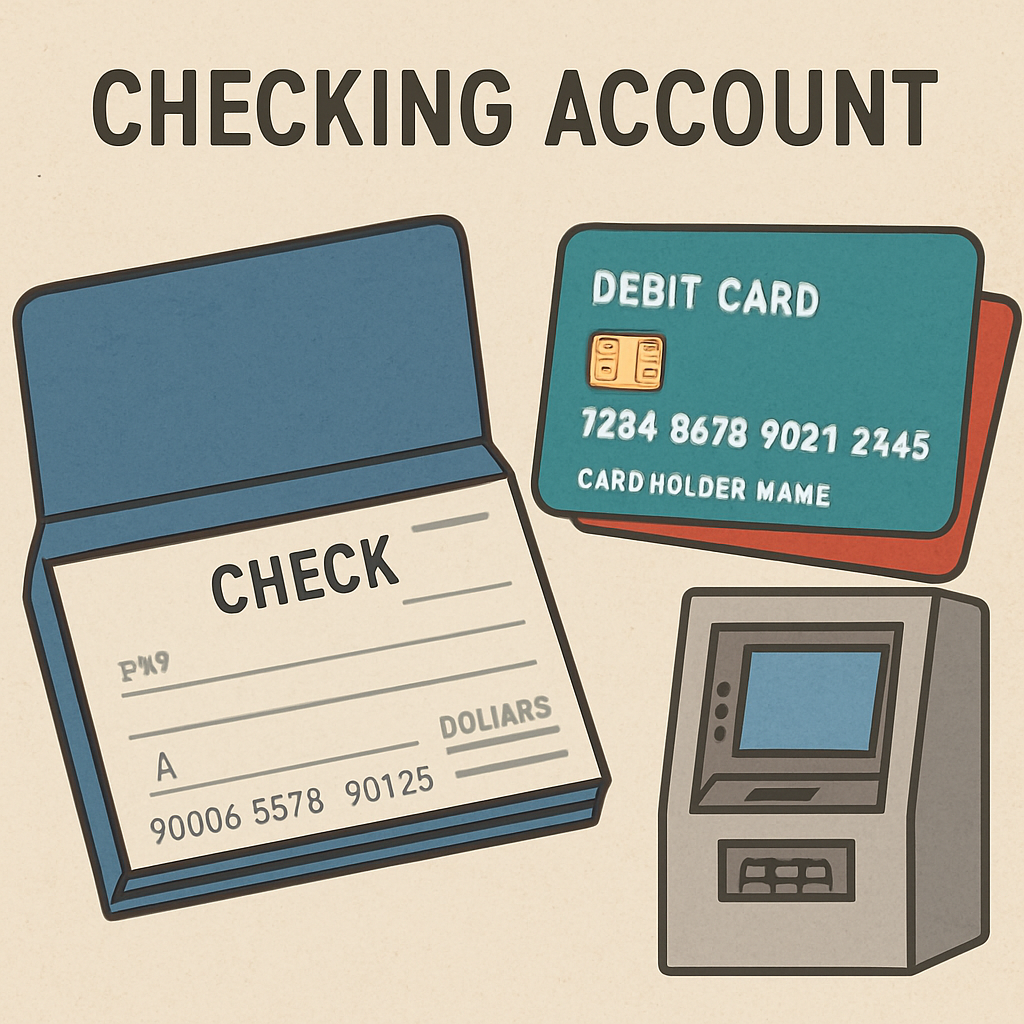
One of the most significant advantages of a checking account is the ease of accessing your funds. You can withdraw money using ATMs or make purchases with a debit card.
These accounts enable flexible spending. You can access your money anytime, whether online, in stores, or at ATMs. This round-the-clock convenience is unmatched.
A checking account provides various transaction methods, including:
- Writing checks for payments
- Using debit cards for shopping
- Withdrawing cash from ATMs
- Online transfers and payments
With digital banking, you can quickly check your balance or make a transfer. This makes handling your finances much less stressful.
Safe and Secure Storage of Funds
A checking account offers a safe place to keep your money. Unlike keeping cash at home, which can easily be lost or stolen, banks provide security.
Banks employ advanced security measures to protect your funds. They use encryption and fraud detection to ensure your account remains secure. These safeguards are crucial for peace of mind.
A checking account includes several protective features:
- Encryption for online transactions
- Fraud detection systems
- Secure debit cards with PIN requirements
Keeping your money in a checking account ensures it’s protected and easily accessible. This security makes checking accounts an attractive option for managing your finances.
Convenient Online and Mobile Banking Features
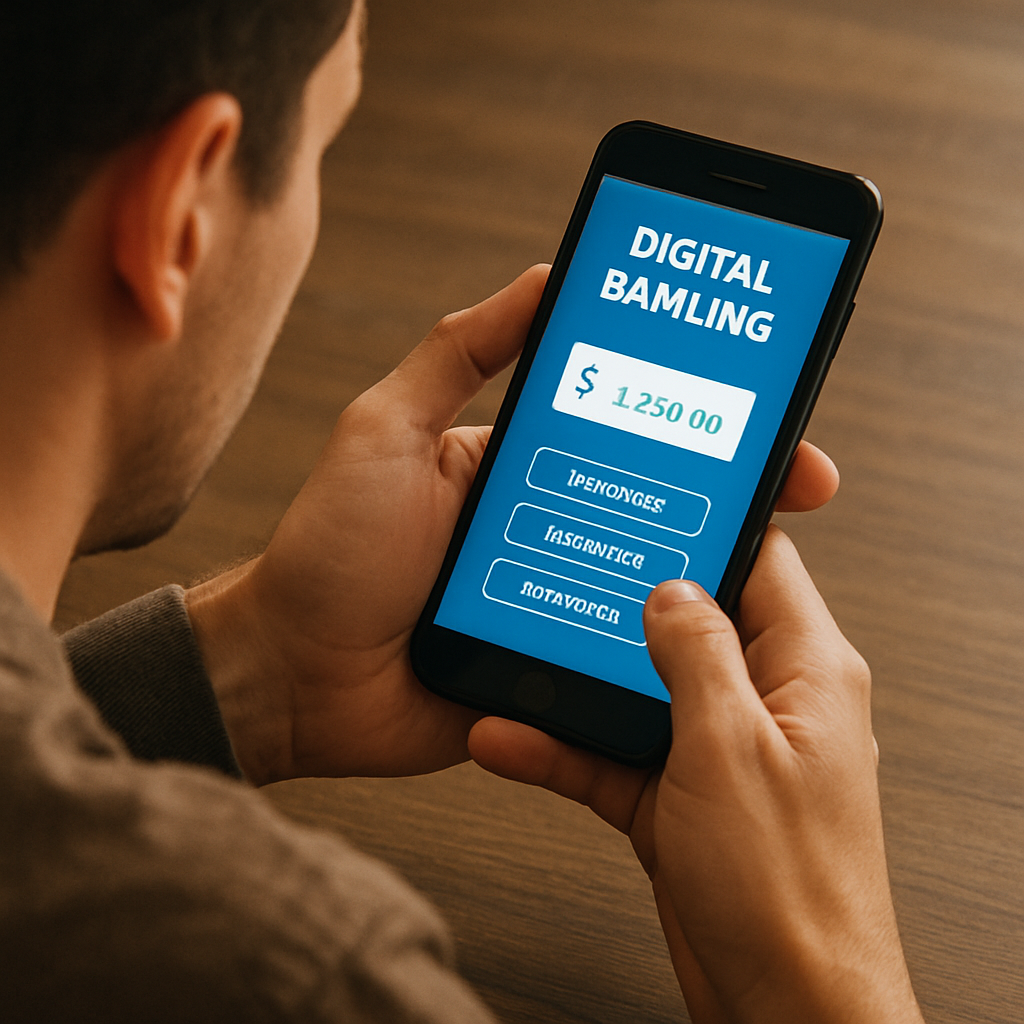
Checking accounts often come with online and mobile banking capabilities. These features offer significant convenience for managing your finances from anywhere.
Online banking lets you monitor your balance, pay bills, and transfer funds with ease. It reduces the need for physical branch visits. With mobile apps, you can handle transactions directly from your smartphone.
Many banks offer a range of online tools:
- Instant balance updates
- Mobile check deposit
- Alerts for transactions
by Atlantic Money (https://unsplash.com/@atlanticmoney)
Mobile banking also enhances your financial flexibility. You can check your account in real-time, making it easier to stay on top of your financial health. With these features, managing money has never been simpler.
Direct Deposit and Faster Payments
Checking accounts support direct deposit, speeding up access to your earnings. Employers can deposit your paycheck directly into your account. This eliminates the wait and hassle of paper checks.
By using direct deposit, funds become available faster, allowing you to manage expenses promptly. Additionally, some checking accounts come with faster payment processing.
Consider these advantages:
- Quick access to wages
- Reduced risk of lost checks
- Time-saving convenience
Direct deposit can also ensure timely payment of government benefits. This feature streamlines your cash flow and provides peace of mind by ensuring your money arrives smoothly. Embrace this modern convenience to improve financial efficiency.
Helps with Budgeting and Financial Planning
A checking account provides detailed transaction records, aiding your budgeting efforts. By tracking your spending, you can identify patterns and opportunities for savings. This information is crucial for sound financial planning.
Utilize online banking tools to categorize expenses and set budget goals. These features allow you to visualize your finances, making it easier to stick to your plan.
Key benefits include:
- Detailed expense tracking
- Customizable budgeting tools
- Insights for future financial goals
With clear transaction histories, you can make informed decisions about saving and spending. This helps you build a solid foundation for achieving long-term financial stability. A checking account simplifies managing your financial life.
One of the smartest banking strategies is using a checking account for daily transactions and a savings account for long-term goals; our article on Understanding the Basics of Savings Accounts explains the key differences and benefits.
Overdraft Protection and Account Security
One advantage of using a checking account is overdraft protection. This feature ensures that transactions are not declined due to insufficient funds, offering a safety net. It provides peace of mind during financially tight times.
Checking accounts also offer robust security features. From fraud alerts to secure login methods, banks prioritize keeping your money safe. These measures protect against unauthorized transactions and potential loss.
Key benefits include:
- Overdraft protection to avoid declined transactions
- Fraud alerts and monitoring services
- Secure online account access
Having these features in place makes managing your finances safer and less stressful. Checking accounts combine convenience with security, safeguarding your funds effectively.
Building a Relationship with Your Bank
Opening a checking account can help build a beneficial relationship with your bank. This relationship can lead to better financial opportunities. Banks often offer personalized services to loyal customers.
A strong bank relationship might provide you with better loan rates or financial advice. This connection is valuable for future financial planning and growth.
Key relationship perks:
- Access to personalized banking services
- Potential for better loan terms
- Financial advice tailored to your needs
Building trust with your bank can be an asset in achieving your financial goals. This relationship enhances both your banking experience and long-term financial prospects.
Automatic Bill Payments and Money Transfers
A checking account simplifies the management of regular payments. Automatic bill payments ensure that your bills are paid on time without hassle. This can help you avoid late fees and maintain a good financial record.
Transferring money is also straightforward with a checking account. Whether it’s sending funds to family or paying a service provider, transfers are quick and efficient. This convenience is a major reason to open a checking account.
Benefits of automatic payments and transfers include:
- Timely bill payments
- No need to remember due dates
- Easy, fast money transfers
Utilizing these features can significantly streamline your financial tasks, giving you more time to focus on other aspects of your life. This ease of management is a strong advantage of having a checking account.
Earning Interest and Rewards
Some checking accounts offer more than just a place to hold funds. They provide opportunities to earn interest on your balance, adding an extra benefit to your banking experience. While not all accounts come with this feature, those that do can boost your savings slightly over time.
Banks may also offer rewards programs for their checking account holders. These can include cashback on purchases or discounts on services. Consider these appealing features when choosing an account.
Advantages include:
- Earning interest on your balance
- Access to cashback offers
- Discounts and rewards programs
These added benefits can make a checking account even more valuable to your financial strategy.
FDIC Insurance and Peace of Mind
One major advantage of a checking account is the protection it offers. Most accounts are insured by the Federal Deposit Insurance Corporation (FDIC). This insurance covers deposits up to $250,000, giving you peace of mind.
Such protection ensures that your money is safe even if the bank faces financial difficulties. This security can be reassuring for anyone storing their hard-earned money.
Key benefits include:
- Insurance coverage up to $250,000
- Assurance of funds’ safety
- Enhanced trust in your banking institution
This safety net is a compelling reason to open a checking account.
Accessibility and Customization Options
Checking accounts are highly accessible to everyone, regardless of financial background. Many banks offer accounts with minimal initial deposits. This makes it easier for people to start managing their finances.
Customization options are plentiful. You can choose from a variety of account types tailored to specific needs, such as student or senior accounts.
Notable features include:
- Minimal initial deposit requirements
- Accounts tailored to specific demographics
- Options for joint or individual account holders
These features ensure that a checking account can fit your personal needs and lifestyle.
Checking Accounts as a Foundation for Financial Growth
A checking account lays the groundwork for a robust financial future. By providing a centralized place for managing daily transactions, it helps you establish financial habits.
These habits can lead to growth:
- Builds a financial history
- Enables other banking services, like savings accounts
- Offers linked financial tools and apps
Having a checking account is the first step toward comprehensive money management. It opens doors to deeper financial opportunities.
Common Questions About Checking Accounts
Are checking accounts complicated? Not at all. They are user-friendly and flexible. Many people wonder about their benefits.
To clarify:
- How do I open a checking account?
- Is there a fee for maintaining an account?
- Do all checking accounts earn interest?
Most banks provide guidance through the process. They offer various options tailored to individual needs. Fees can vary, and not all accounts offer interest.
Understanding these basics can clear up misconceptions. A little research goes a long way. This ensures you choose the best account for your financial journey.
Conclusion: Why You Should Consider a Checking Account
Having a checking account simplifies financial management. It offers benefits that cash or prepaid cards cannot match. The convenience and security are clear advantages.
From accessing funds easily to tracking spending habits, the perks are numerous. Plus, the added bonus of potential interest and rewards can enhance savings over time.
Consider your financial needs and explore different options. A checking account is a practical tool for both everyday expenses and long-term planning. It lays the groundwork for a stable financial future.
If you’re opening a checking account for better money management, it’s also worth exploring how savings accounts can help grow your funds over time—check out Understanding the Basics of Savings Accounts for a complete beginner-friendly overview.