
Explore savings account features like compound interest and high yield options to enhance your financial growth and stability.
When you first begin your financial journey, you might look at your checking account and wonder, what is the point of savings account? After all, if your money is already safely sitting in a bank, why go through the trouble of opening a second account?
If you were to ask a financial advisor, “what is one benefit of a savings account?”, they would likely smile. The truth is, there isn’t just one benefit—there is a massive ecosystem of advantages designed to protect, grow, and organize your hard-earned money.
Whether you are looking to secure your financial future or simply want a better way to manage your monthly budget, understanding savings account benefits is the first step toward true financial independence.
If you’re new to saving money, understanding the key features and functions of savings accounts can help you make smarter financial decisions. Learn more in our guide on Understanding the Basics of Savings Accounts.

The Core Foundation: Why Save Money?
Before diving into the mechanics of bank accounts, we must address the broader concept of why save money in the first place. The benefits of saving extend far beyond simply having a large number on a screen. Having cash reserves provides peace of mind, reduces stress during unexpected life events, and gives you the freedom to make choices rather than reacting out of desperation.
For those engaging in wealth building for beginners, saving is the foundational habit. You cannot invest in real estate, start a business, or build a robust stock portfolio if you do not first know how to retain the money you earn. A dedicated savings account acts as a financial holding zone, keeping your wealth secure while you decide on your next strategic move.
What is One Benefit of a Savings Account That Stands Out?
If we had to isolate the single most important advantage and answer the question—what is one benefit of a savings account that rises above the rest?—it would undeniably be unmatched security.
Unlike the stock market or cryptocurrency, where your initial investment can lose value overnight, money placed in a standard bank savings account is entirely secure. This safety is primarily due to FDIC insurance protection. In the United States, the Federal Deposit Insurance Corporation (FDIC) protects deposits up to $250,000 per depositor, per insured bank. This means that even if the bank were to completely fail, your money is backed by the federal government.
When considering safe ways to store cash, keeping it under your mattress or in a home safe leaves you vulnerable to theft, fire, or natural disasters. A savings account entirely removes these physical risks, making it the ultimate secure vault for your funds.
Financial Growth: Earning Passive Interest Income
Savings account features go far beyond just storing your money safely; they actually put your money to work. When you deposit money into a savings account, the bank pays you a percentage of your balance over time as a reward for keeping your funds with them. This process allows you to start earning passive interest income with zero effort on your part.
The Power of Compound Interest
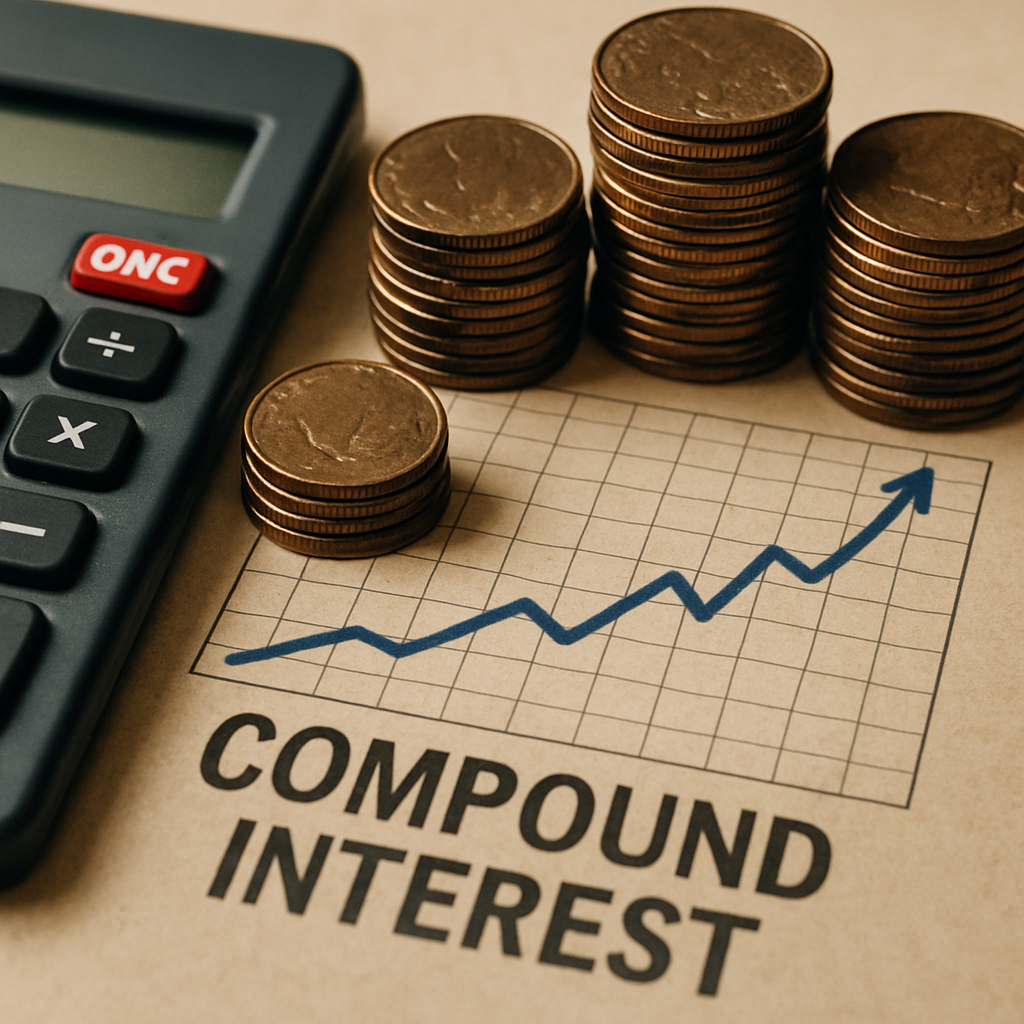
One of the most exciting savings account advantages is compound interest growth potential. Compound interest means you earn interest not only on your initial deposit but also on the interest that your deposit has already generated. Over time, this creates a snowball effect.
When you evaluate different accounts, you’ll want to pay attention to compound interest frequency effects. This term refers to how often the bank calculates and applies your interest. Accounts that compound daily will grow your money slightly faster than accounts that compound monthly, accelerating your wealth accumulation over time.
Annual Percentage Yield Explained
As you shop around for the right account, you will frequently see the acronym APY. To keep the annual percentage yield explained simply: APY is the real rate of return earned on your savings over a year, taking into account the effect of compounding interest. The higher the APY, the faster your money will grow.
Maximizing Returns: High Yield Savings Account Benefits
While traditional banks might offer APYs as low as 0.01%, online banks and specialized financial institutions often offer High Yield Savings Accounts (HYSAs). High yield savings account benefits are identical to traditional savings accounts in terms of safety and insurance, but they offer significantly higher interest rates—sometimes up to 4% or 5% higher than standard accounts.
These elevated rates are crucial for protecting money from inflation. Inflation represents the general increase in the cost of goods and services over time, which silently erodes the purchasing power of your cash. By keeping your money in an HYSA, you ensure that your cash continues to grow at a pace that helps offset the rising cost of living.
Strategic Organization: Savings Account vs Checking Account
A common pitfall for beginners is keeping all their money in a single checking account. Understanding the dynamic of savings account vs checking account is essential for financial clarity.
Your checking account is designed for everyday transactions: paying rent, buying groceries, and covering utility bills. It is highly active. A savings account, on the other hand, is a storage vehicle. By separating the two, you draw a distinct psychological line between “money to spend” and “money to keep.”
Preventing Impulsive Spending Habits
When all your money is lumped into a checking account, it is incredibly easy to experience “lifestyle creep” and overspend. One of the best behavioral savings account benefits is preventing impulsive spending habits. When your savings are stored in a separate account (especially at a completely different bank), you add a layer of friction. Because it takes a day or two to transfer the funds back to your checking account, you have time to reconsider that unnecessary impulse purchase.
Practical Uses for Your Savings Account
So, what exactly should you be using this secure, interest-bearing account for? Here are the most critical, actionable uses:
1. Building an Emergency Fund
Life is unpredictable. Cars break down, medical emergencies happen, and unexpected job losses occur. Building an emergency fund is arguably the most critical step in personal finance. Experts recommend keeping three to six months’ worth of living expenses in a savings account. Because of the account’s liquidity and asset accessibility—meaning you can withdraw your cash quickly and easily without penalties or waiting for markets to open—it is the perfect vehicle for emergency reserves.
2. Achieving Short Term Financial Goals
If you are planning to buy a house in two years, purchase a new car next semester, or take a dream vacation this summer, you shouldn’t invest that money in the stock market where it could temporarily lose value. Savings accounts are the ideal tool for achieving short term financial goals. Your principal balance is guaranteed to remain intact, ensuring your down payment is exactly where you left it when you need it.

Creating Financial Discipline: Automation
If you rely on willpower alone to save money at the end of the month, you will likely fail. By the time the month ends, there is rarely any money left over to save.
This is where modern banking technology shines. One of the most powerful savings account features is the ability to easily set up automated transfers. By automating monthly financial contributions, you embrace the golden rule of personal finance: “Pay yourself first.”
You can set up your direct deposit so that 10% of your paycheck routes directly into your savings account before you even see it. Alternatively, you can schedule an automatic transfer on the day you get paid. Over time, you will adjust to living on slightly less, and your savings will grow entirely on autopilot.
Many of the benefits discussed in this article become even clearer when you understand how savings accounts work and the different options available. Our article on Understanding the Basics of Savings Accounts provides a complete overview.
Actionable Tips to Get the Most Out of Your Savings
To ensure you are fully leveraging all savings account advantages, follow these actionable tips:
- Shop for High APY: Don’t settle for the 0.01% offered by traditional brick-and-mortar banks. Look for reputable online banks offering competitive high yields.
- Verify the FDIC Logo: Always ensure the bank you choose offers FDIC insurance protection (or NCUA if you are using a credit union).
- Name Your Accounts: Many modern banking apps allow you to create “buckets” or rename your accounts. Naming an account “New Car Fund” or “Emergency Safety Net” creates an emotional attachment to the money, making you less likely to raid it for frivolous spending.
- Check the Fees: A great savings account should be free. Avoid accounts that charge monthly maintenance fees, as these will quickly eat into any passive interest income you earn.
- Use the 50/30/20 Rule: If you aren’t sure how much to save, try allocating 50% of your income to needs, 30% to wants, and automating the remaining 20% directly into your savings account.
Final Thoughts
Whenever you hear someone ask, “what is one benefit of a savings account?”, you now know that the answer encompasses much more than just a single perk. It is a fundamental tool for establishing financial stability.
From earning passive interest income and benefiting from compound interest growth potential, to building a robust emergency fund and protecting money from inflation, savings accounts are indispensable. They provide the perfect balance of safety, growth, and liquidity.
By taking the time to open a high yield account and automating your monthly contributions, you are not just saving money—you are actively buying yourself future freedom, security, and peace of mind. Start small, remain consistent, and let time and compound interest do the heavy lifting on your journey to financial wellness.
Whether you’re building an emergency fund or saving for future goals, having a solid understanding of account features is essential. Read our comprehensive guide to Understanding the Basics of Savings Accounts to get started.