
Choosing the right bank account is crucial for managing your finances. Two common options are checking and savings accounts. Each serves a different purpose and offers unique benefits.
Checking accounts are designed for frequent transactions. They provide easy access to your money for daily expenses. Savings accounts, on the other hand, are meant for storing money and earning interest over time.
Understanding the differences between these accounts can help you make informed decisions. It’s important to know which account suits your financial needs best.
In this guide, we’ll explore the key differences between checking and savings accounts. We’ll also discuss their features, benefits, and when to use each type.
While checking accounts are designed for everyday transactions, savings accounts are built to help you grow your money over time. To learn more about how savings accounts work, read our guide on Understanding the Basics of Savings Accounts.
What Is a Checking Account?
A checking account is a type of bank account designed for everyday financial transactions. It allows quick and easy access to your funds.
People use checking accounts to manage daily expenses like groceries, utilities, and dining out. You can also pay bills directly using a checking account.
Most checking accounts come with features like a debit card, check-writing abilities, and online banking. These features make handling your finances convenient.
Common features of a checking account include:
- Debit cards for purchases and ATM withdrawals
- Check-writing capability for personal payments
- Online and mobile banking for easy access to transactions
- Direct deposit for receiving paychecks
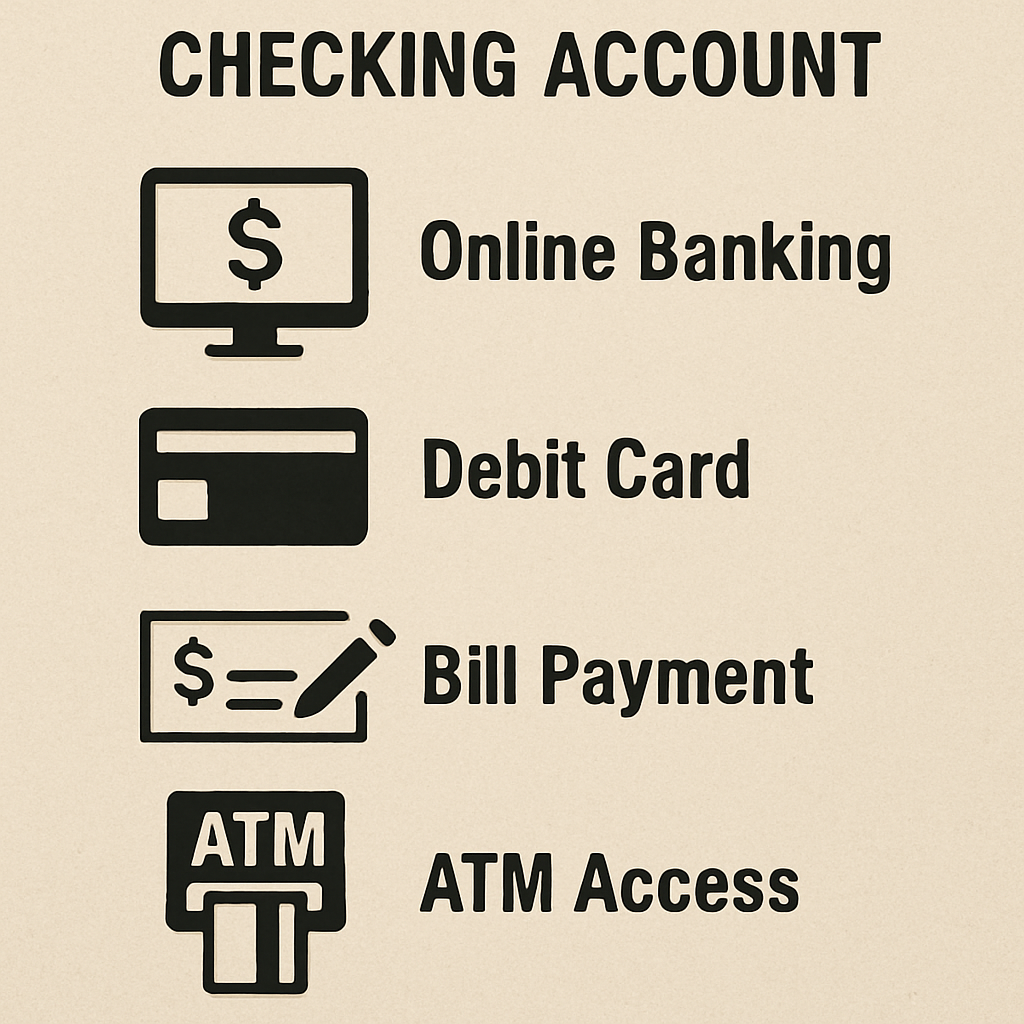
Checking accounts are essential for managing cash flow and are often used in daily monetary tasks. This makes them an important tool in personal finance management.
What Is a Savings Account?
A savings account is tailored for storing money and earning interest over time. It acts as a safe place for your funds.
These accounts encourage saving by offering interest on the balance, helping your money grow gradually. They’re less about transactions and more about accumulation.
While some withdrawals and transfers are allowed, savings accounts often have limits. This limitation helps you avoid spending on a whim.
Key characteristics of savings accounts include:
- Interest earnings for increasing your savings
- Limited transactions per month to promote saving
- FDIC insurance for security up to $250,000
- Linkage to checking accounts for easy transfers
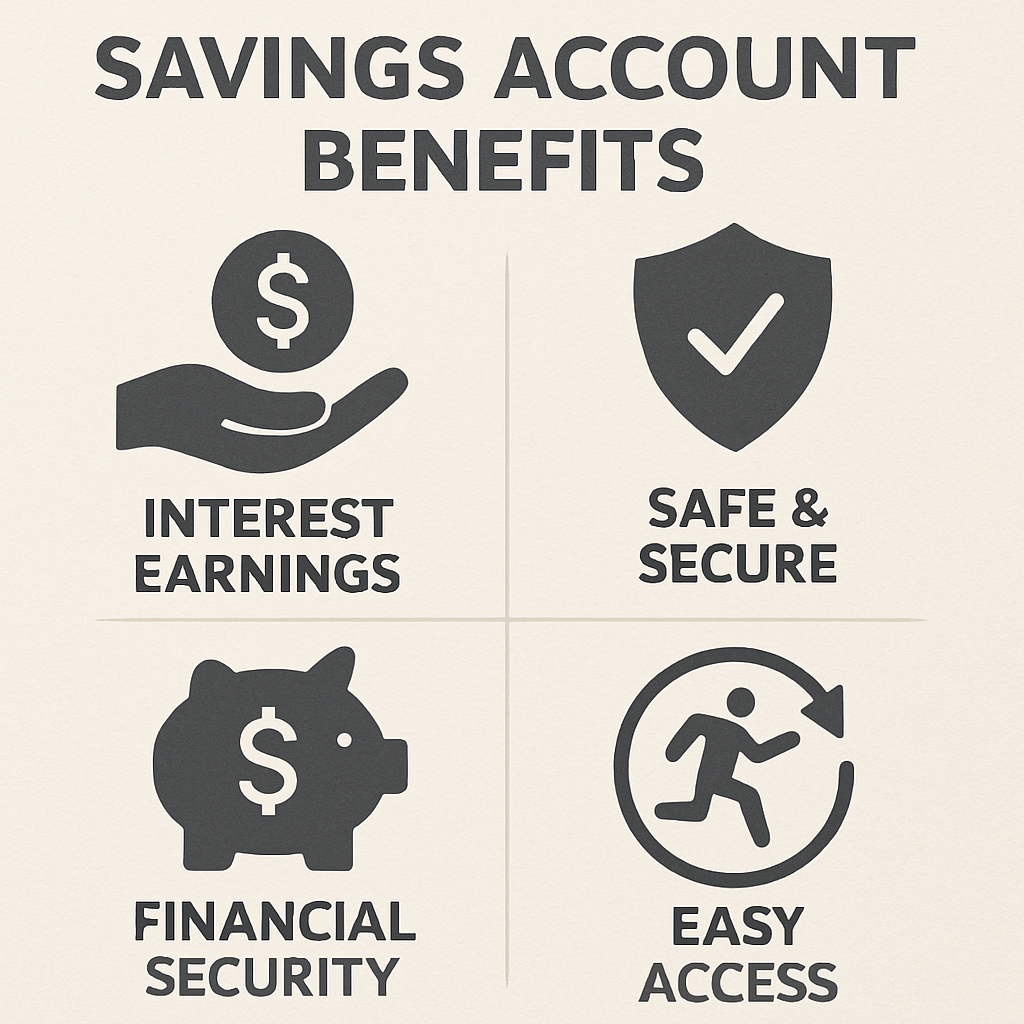
Savings accounts are ideal for long-term goals, like creating an emergency fund or saving for a vacation. They serve as the foundation for achieving financial stability.
Key Differences Between Checking and Savings Accounts
Understanding the core differences between checking and savings accounts can aid in financial planning. The two accounts serve distinct purposes in daily life and long-term goals.
Checking accounts are made for frequent use. They provide convenient access through debit cards and checks, facilitating easy transactions.
Conversely, savings accounts are designed to grow funds over time. They offer interest on the balance, making them ideal for saving money.
A critical difference lies in transaction limits. Checking accounts usually have few restrictions, while savings accounts often limit withdrawals and transfers.
Notable differences include:
- Interest Rates: Savings accounts typically offer higher rates.
- Access to Funds: Checking accounts offer more immediate access.
- Purpose: Checking is for spending; savings is for saving.
- Fees and Minimum Balances: Checking may have higher fees.
by Kelly Sikkema (https://unsplash.com/@kellysikkema)
By recognizing these differences, individuals can select the appropriate accounts for their needs. Each serves a unique role in managing personal finances effectively.
How Checking Accounts Work: Features and Benefits
Checking accounts provide a simple way to manage everyday finances. These accounts allow easy deposits and withdrawals, essential for routine transactions.
A standout feature is the ease of access. With a debit card, online banking, and checks, funds are always within reach. This flexibility supports efficient money management.
Checking accounts offer several benefits:
- Direct Deposit: Salaries can be deposited directly, saving time.
- Bill Payment: Automate recurring payments like rent and utilities.
- Overdraft Protection: Avoid insufficient fund fees with linked savings or credit.
by Vitaly Gariev (https://unsplash.com/@silverkblack)
Additionally, some checking accounts offer rewards, like cashback, on debit card purchases. These features make checking accounts vital for daily financial activities. By facilitating seamless transactions, they enable effective cash flow management. Checking accounts are essential tools in contemporary banking, providing ease and convenience for handling money.
How Savings Accounts Work: Features and Benefits
Savings accounts are designed to help individuals accumulate wealth over time. They provide a secure place to store money while earning interest. This makes them ideal for those with long-term financial goals.
One key feature of savings accounts is the interest rate. Though rates vary, savings accounts generally offer higher interest compared to checking accounts. This enables account holders to earn more on their deposits.
Another benefit is limited access, which encourages saving. Fewer withdrawals mean more money remains in the account, compounding interest over time.
Savings accounts offer several advantages:
- Interest Earnings: Grow your funds steadily over time.
- Safety: FDIC insurance protects up to $250,000.
- Goal Setting: Allocate funds for future expenses like vacations or emergencies.
These features make savings accounts a cornerstone for sound financial planning. They provide a stable foundation for building financial security. By promoting disciplined savings habits, they help achieve financial independence.
When comparing checking and savings accounts, it’s important to understand the unique features, benefits, and limitations of each option. Our article on Understanding the Basics of Savings Accounts provides a deeper look at how savings accounts can support your financial goals.
Fees and Costs: What to Expect
Both checking and savings accounts come with their own set of fees. These costs can impact your financial management, so it’s important to be informed.
Checking accounts often include various fees. Monthly maintenance charges are common, but sometimes waived if certain conditions are met. Other fees might include overdraft fees or charges for using non-network ATMs.
Common Checking Account Fees:
- Monthly Maintenance: Often waived with a minimum balance.
- Overdraft Fees: Charged when spending exceeds the account balance.
- ATM Fees: Applied when using out-of-network ATMs.
Savings accounts typically have fewer fees. They may, however, impose costs for exceeding withdrawal limits or failing to maintain a minimum balance.
Common Savings Account Fees:
- Excess Withdrawal: For surpassing allowed transfer limits.
- Low Balance: Charged if account balance drops below a set minimum.
Understanding these fees can help you choose the right account and avoid unexpected costs. Always review the fee schedules before committing to an account. This ensures you make informed decisions that align with your financial goals.
Accessing Your Money: Checking vs Savings
Accessing your funds is straightforward with a checking account. You can use a debit card, write checks, or withdraw cash. Banks often provide online and mobile banking for added convenience.
In contrast, savings accounts are less about frequent access. They’re meant to help money grow, thanks to interest earnings. Usually, there are limitations on the number of monthly withdrawals or transfers.
Access Methods for Checking and Savings Accounts:
- Checking Accounts: Debit card, checks, ATM access, online transfers
- Savings Accounts: Limited transfers, online access, ATM access
by Tech Daily (https://unsplash.com/@techdailyca)
Understanding these differences ensures you choose the right account for managing everyday spending versus building savings. Always consider how easy or hard accessing funds is with each type of account.
When to Use a Checking Account
Checking accounts shine for routine transactions. They handle daily cash flow needs like paying bills or making purchases. If you receive direct deposits, a checking account is essential.
These accounts are great for frequent deposits and quick access to cash. Online bill pay and automatic payments simplify managing finances. For everyday expenses, they’re unmatched.
Ideal Situations for Using a Checking Account:
- Direct deposits
- Bill payments
- Everyday purchases
Choosing a checking account focuses on transactional convenience. Ensure the features match your lifestyle.
When to Use a Savings Account
Savings accounts are best for holding funds you don’t need immediately. They’re perfect for building an emergency fund or saving for a future purchase. Interest earnings make them ideal for accumulating wealth slowly over time.
These accounts help separate your savings from daily spending, reducing the temptation to dip into them. Use savings accounts to plan for long-term goals like vacations or big purchases.
Ideal Situations for Using a Savings Account:
- Building an emergency fund
- Saving for future goals
- Earning interest on idle money
Opt for a savings account when focusing on growing funds. Keep in mind the limits on monthly withdrawals.
Can You Have Both? Linking Checking and Savings Accounts
Absolutely, having both types of accounts can be beneficial. Many banks offer the option to link them, allowing for easy transfers between accounts. This setup enables convenient management of finances and optimal savings.
Linking them simplifies moving money for different needs without hassle. This way, you can enjoy the features of each account while maintaining financial organization.
Benefits of Linking Checking and Savings Accounts:
- Easy transfers between accounts
- Simplifies financial management
- Maximizes savings potential
This approach supports a strategic balance between spending and saving, enhancing financial health.
Choosing the Right Account for Your Needs
Selecting the correct account depends on your financial habits and goals. A checking account suits those who need daily access to their funds. In contrast, a savings account is ideal for accumulating money over time.
Assess how you plan to use your account. Consider the frequency of transactions and the importance of earning interest. These factors will guide your decision.
Factors to Consider:
- Frequency of transactions
- Desire to earn interest
- Importance of easy fund access
By evaluating your needs, you ensure that your choice aligns with your financial strategies and enhances your monetary well-being.
Frequently Asked Questions
Many people wonder about the difference between a checking and a savings account. A checking account is designed for everyday use. In contrast, a savings account is meant for saving money over time.
People often ask if these accounts earn interest. Typically, savings accounts offer interest, while most checking accounts do not. Interest-bearing checking accounts exist, but they usually have higher balance requirements.
You might also question if having both accounts is beneficial. Indeed, it can be. Linking the two accounts allows easy transfers and better money management.
Common Questions:
- Do checking accounts earn interest?
- Should I have both accounts?
- How easy is it to access funds?
Conclusion: Making the Most of Your Accounts
Understanding the differences between checking and savings accounts helps you choose the right one for your needs. Both account types serve distinct purposes in financial planning.
By effectively using both accounts, you can enjoy financial flexibility. Maximize your savings while maintaining easy access to your funds for daily expenses. This balance supports both short-term needs and long-term financial goals.
Many people use both checking and savings accounts together as part of a smart money-management strategy. If you’re new to saving, our guide to Understanding the Basics of Savings Accounts can help you get started.